
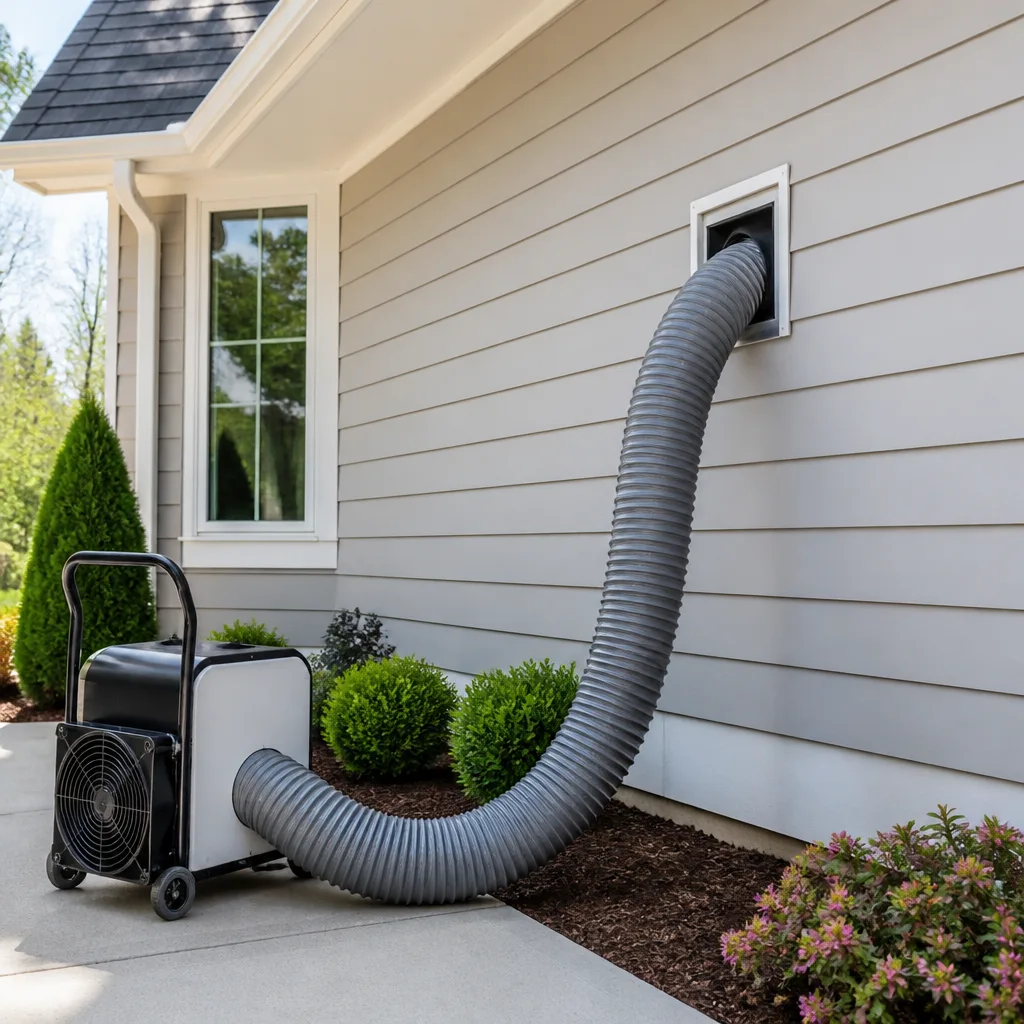
 Whole-home duct cleaning
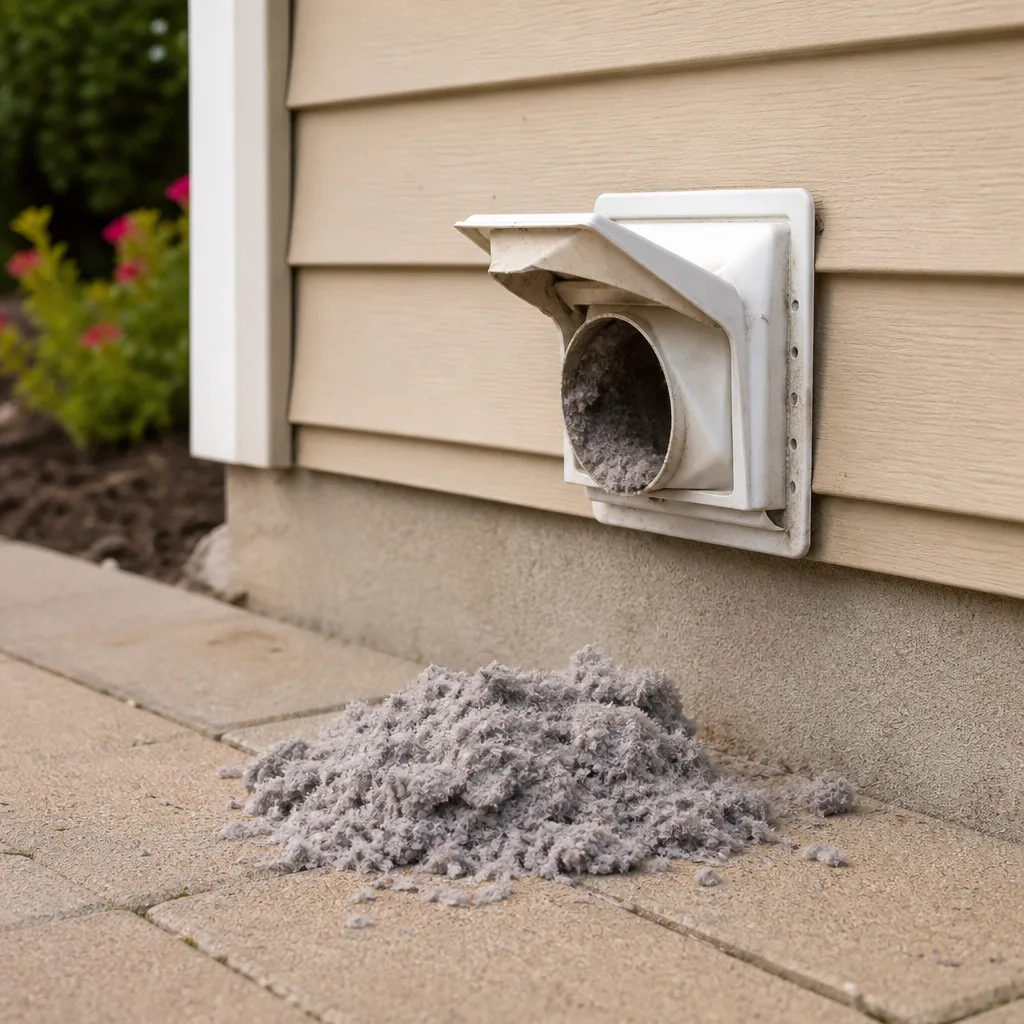 Dryer vent cleaning
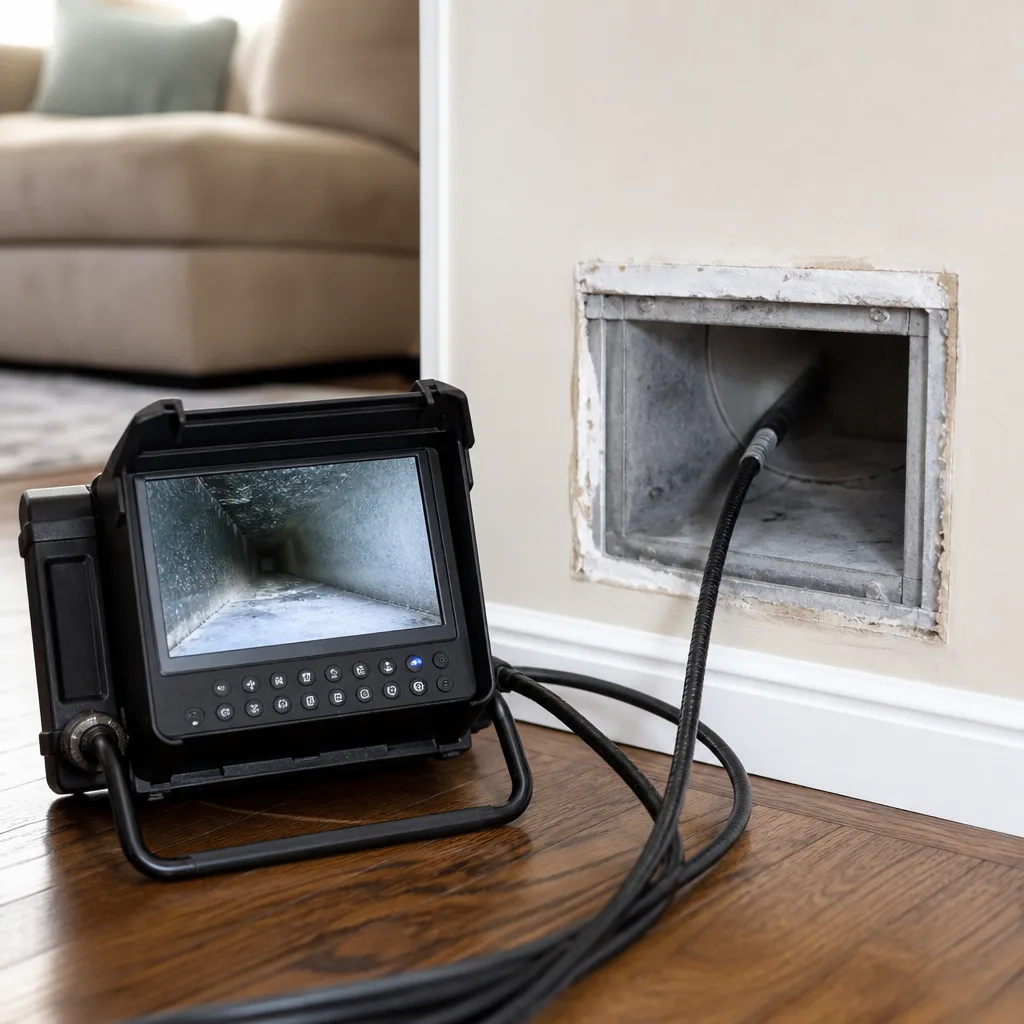 Camera inspection
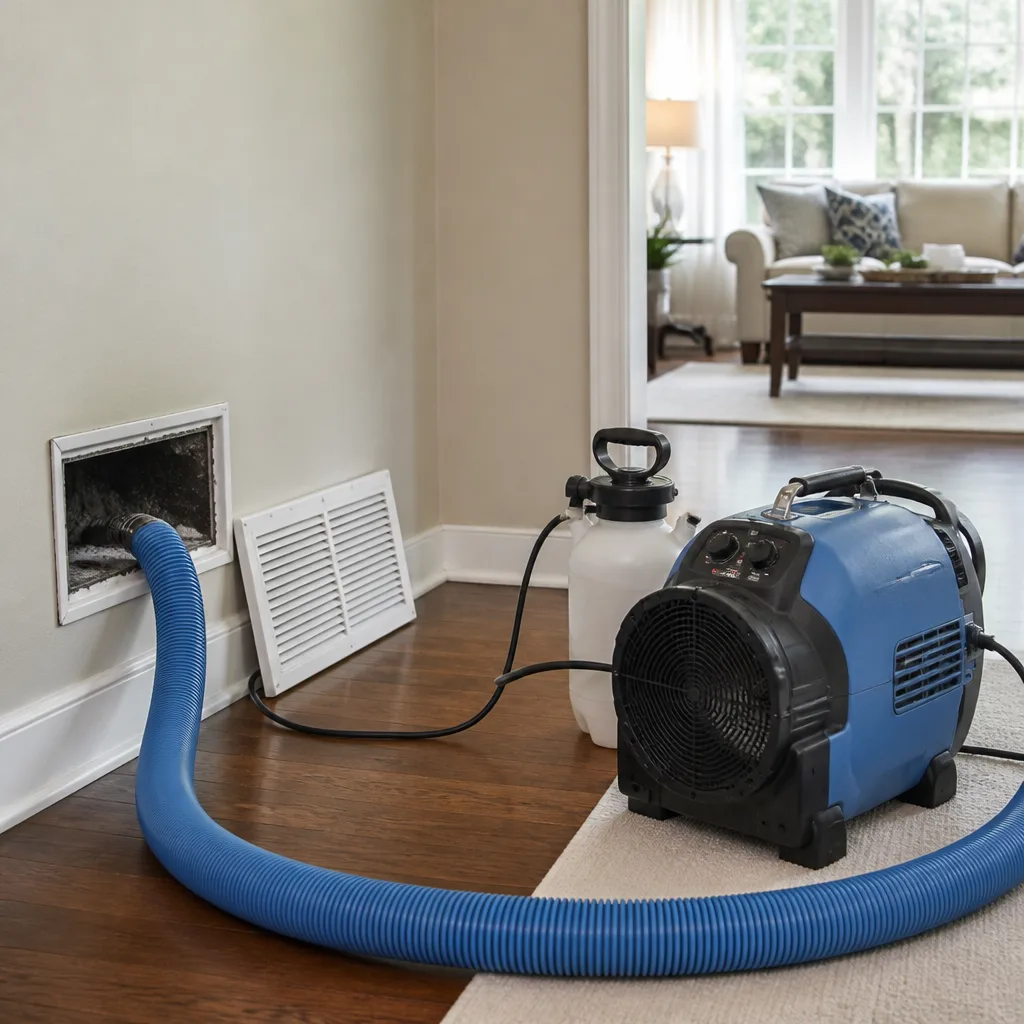 Sanitizing & deodorizing
Whole-system duct and dryer vent check with before-and-after photos - you see exactly what came out of your vents
That "$99 whole-house special" is a bait ad - the real number appears once they are in your hallway, or the "clean" is a shop-vac at the register. We photograph the inside of your ducts before and after instead.
Nikro Duct Sealing & Repair: The Fort Worth Owner’s Guide
If you’re running a Nikro duct sealing and repair system in Fort Worth and a seal, gasket, or repair sleeve has failed, we stock the common replacement parts and install them in one visit. Most Nikro duct sealing and repair jobs in Fort Worth run between $220 and $480 installed, including the part, labor, and a written guarantee. How do owners usually find us? They hear a whistle at a register they never heard before, notice a spike in their electric bill, or spot a stain on the ceiling near a duct run.
We’re an independent service provider, not a Nikro dealer or affiliate. What we are is a Fort Worth duct specialist that runs Nikro HEPA extraction equipment on our own trucks, which means our technicians already speak the language of your machine. Omar Haddad, our owner, has spent more than a decade running duct crews across Fort Worth, from Fairmount bungalows to Alliance new-builds, and he’ll tell you the same thing he tells his techs: a failed duct seal isn’t a janitorial problem, it’s a mechanical one.
Which Nikro Models This Applies To
Nikro builds its duct sealing and repair systems in a few distinct families, and the part you need depends on which one you own. If you have a Nikro NSS series sealing system, you’re working with cartridge-based sealant delivery and a booster fan that pulls the sealant into the duct stream. The NSR repair series uses pneumatic plug-and-sleeve assemblies for spot repairs where access is tight. Older Nikro aerosol delivery units predate the current cartridge format and take a different nozzle profile entirely.
The compatibility gotcha we see constantly: cartridge seats changed between the NSS-1 and NSS-2 revisions. A cartridge that seats fine in an NSS-2 will either leak or shred its O-ring in an early NSS-1. That’s why we ask for the model plate photo before we roll the truck. The label is on the back of the unit, near the power cord entry. Take a picture of that, plus a close-up of the failed part, and text it to us. We’ll confirm the correct match before anyone leaves the shop.
For OEM versus aftermarket: we stock both. OEM Nikro parts carry the factory tolerances and warranty support, but several aftermarket equivalents (particularly booster-fan gaskets and quick-connect seals) match or exceed OEM spec at 30 to 40 percent lower cost. We’ll quote you both honestly and let you choose.
Styles & brands we work with
Signs Your Nikro Duct Sealing & Repair Is Failing
- Whistling or hissing at a register or duct joint. Air escapes wherever the seal has given way, and the higher your static pressure, the louder it gets. If the whistle changes with the blower cycle, it’s almost certainly a failed seal, not a dirty filter.
- Sealant residue or crusty buildup where the duct meets a boot or plenum. This is the classic Nikro cartridge leak pattern. The sealant cures where it shouldn’t, telling you the delivery path cracked before it reached the target seam.
- Dust settling faster on furniture near specific vents. A broke seal lets conditioned air pull attic or crawlspace dust into the duct stream. You’ll notice it first on dark furniture within sight of the register.
- Uneven room temperatures that used to be balanced. When a seal fails in one branch run, that room loses conditioning pressure. The HVAC still runs, but that room lags by four to six degrees compared to the rest of the house.
- Electric bill creeping up with no change in usage. Fort Worth summers push every AC to its limit. A 10 to 15 percent duct leak means your condenser works harder to hit the same setpoint. That’s real money on a TXU or Reliant bill in July.
See the difference
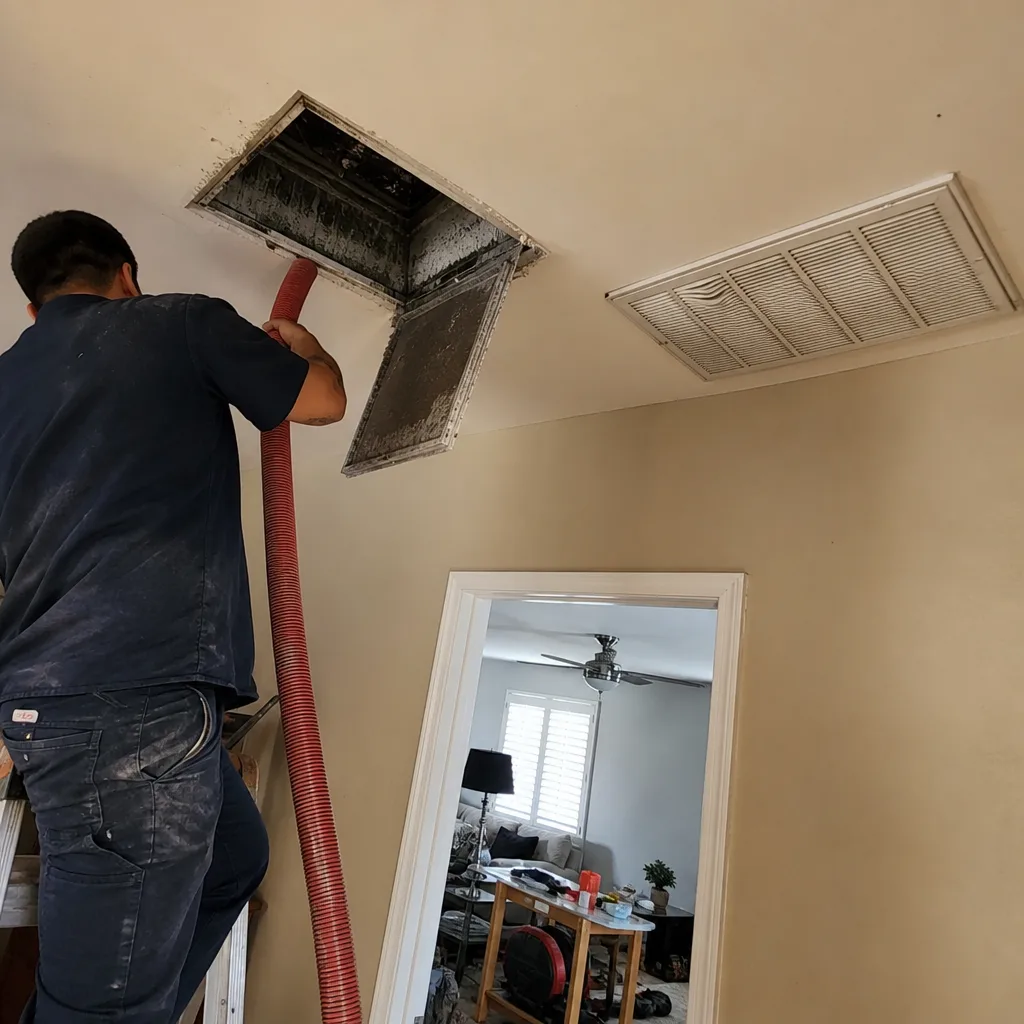 Before
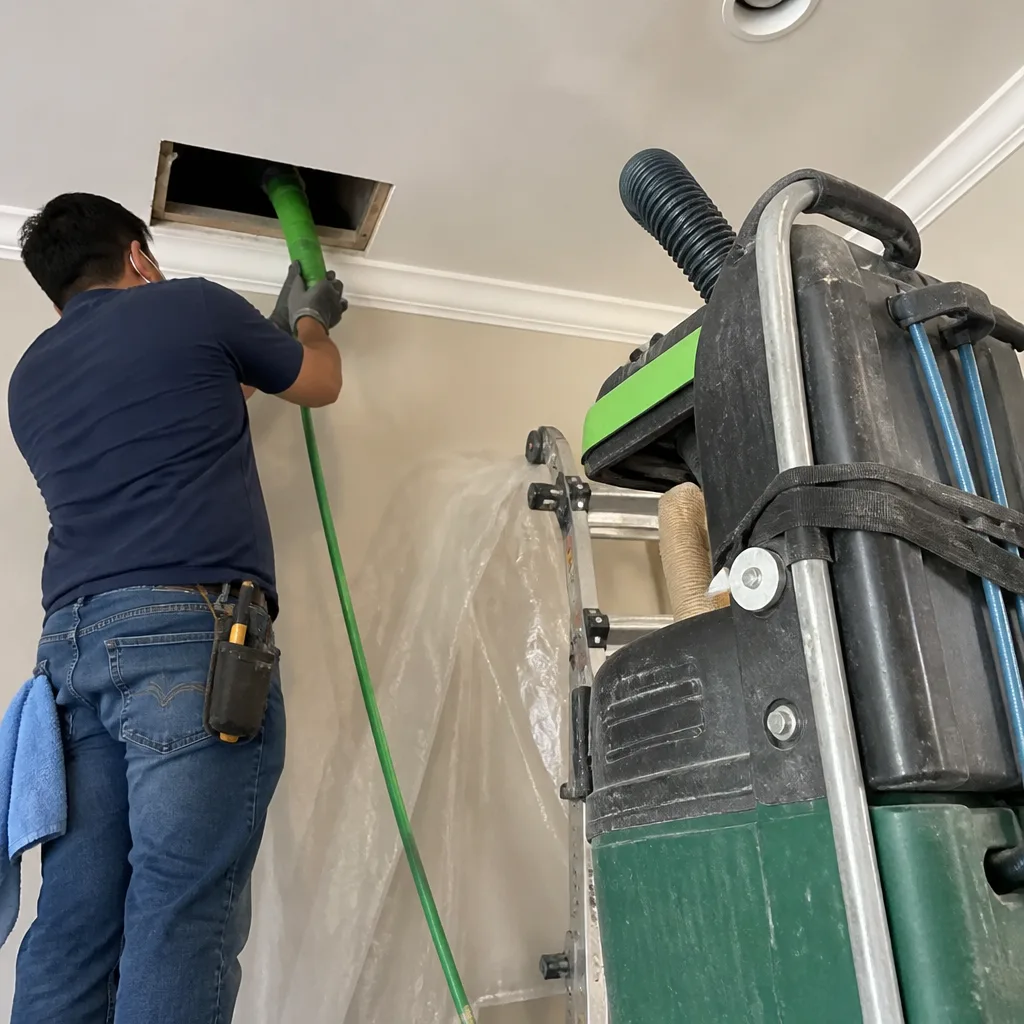 After
After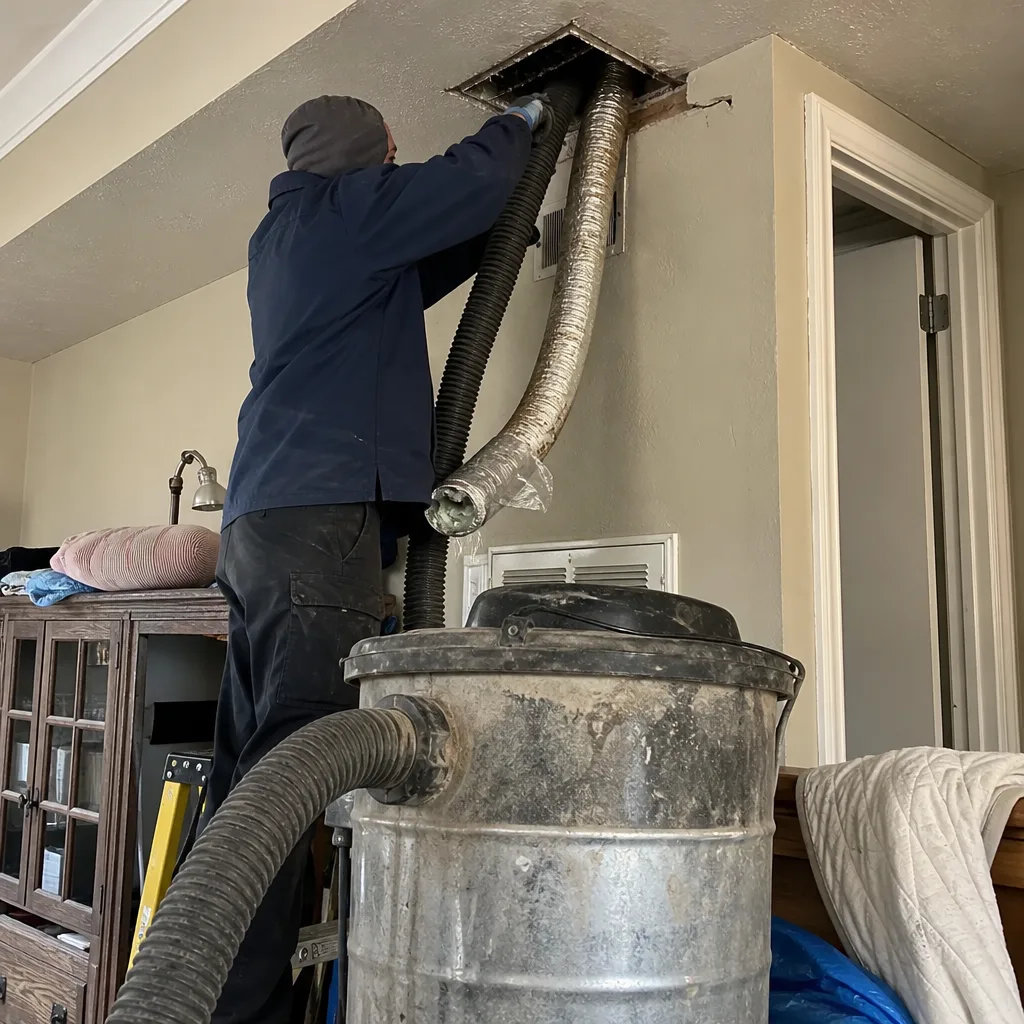 Before
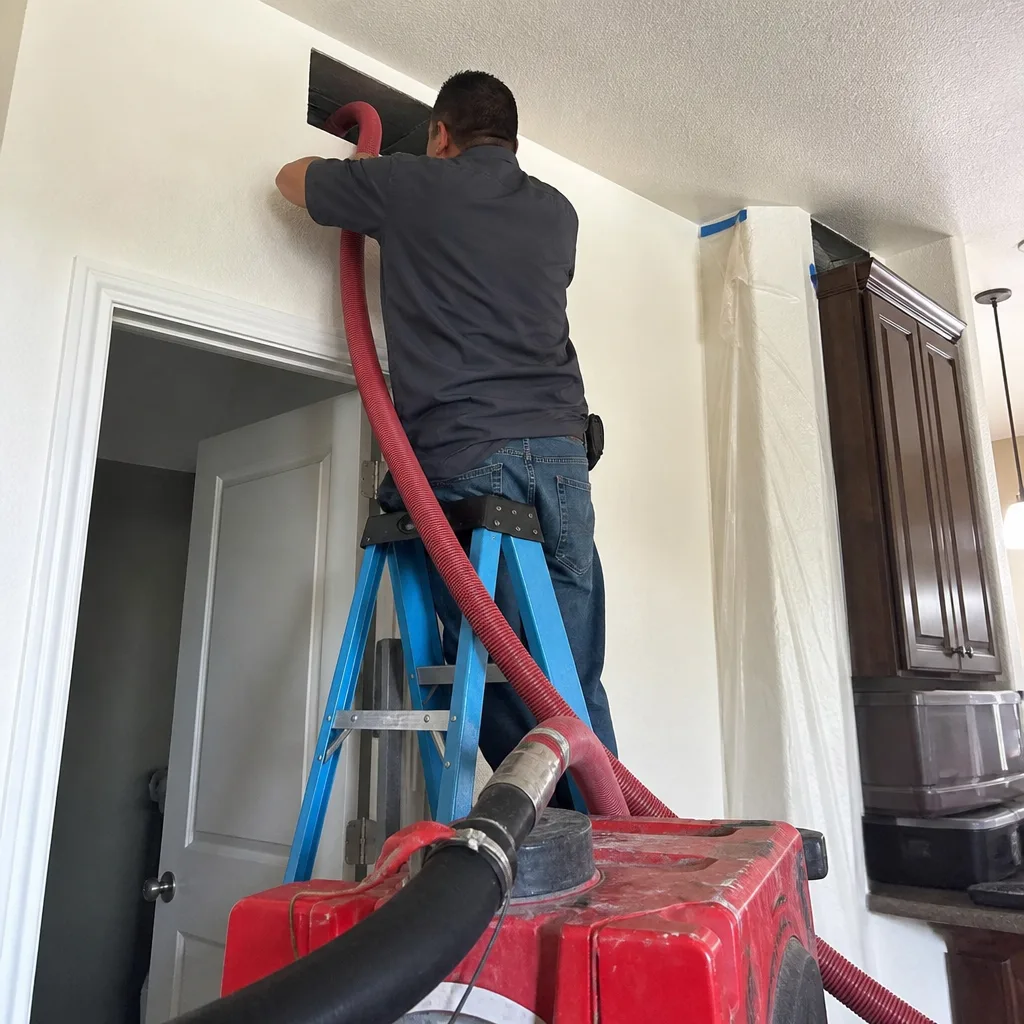 After
After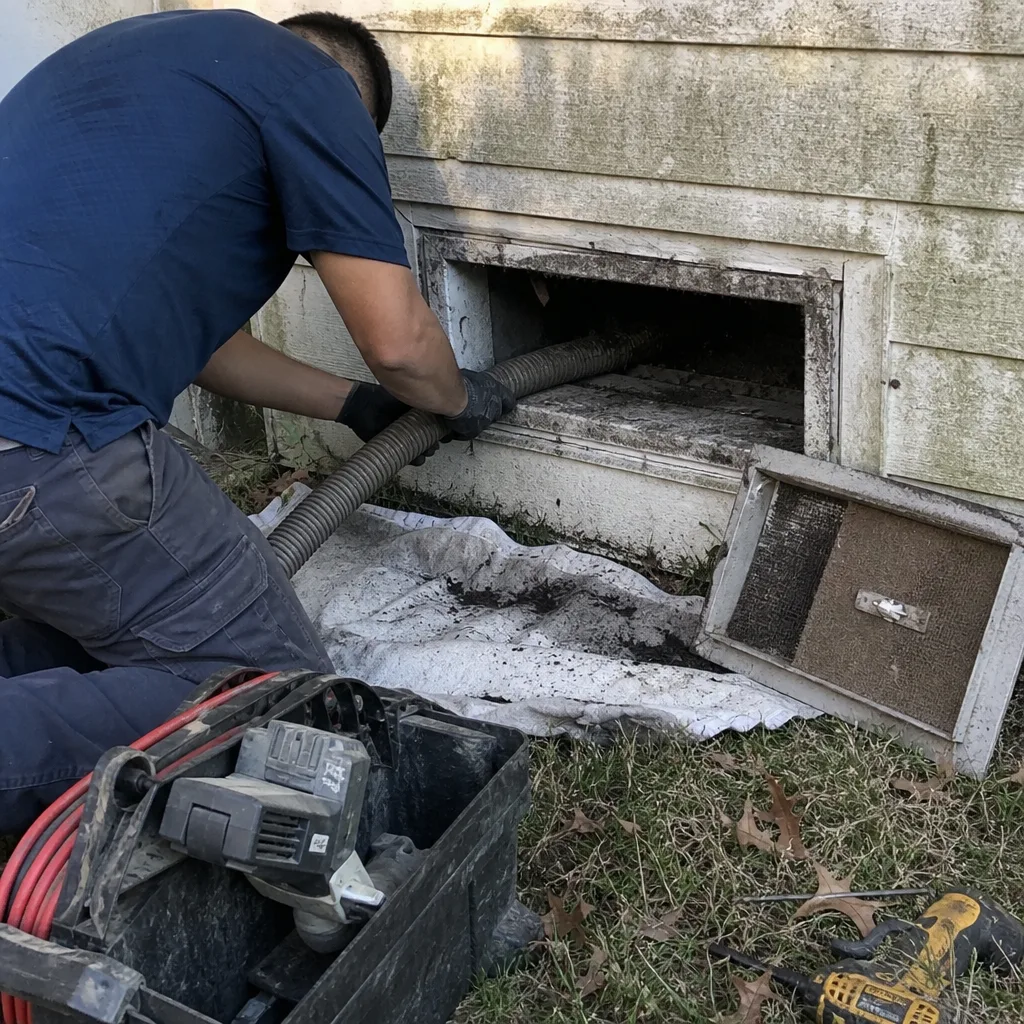 Before
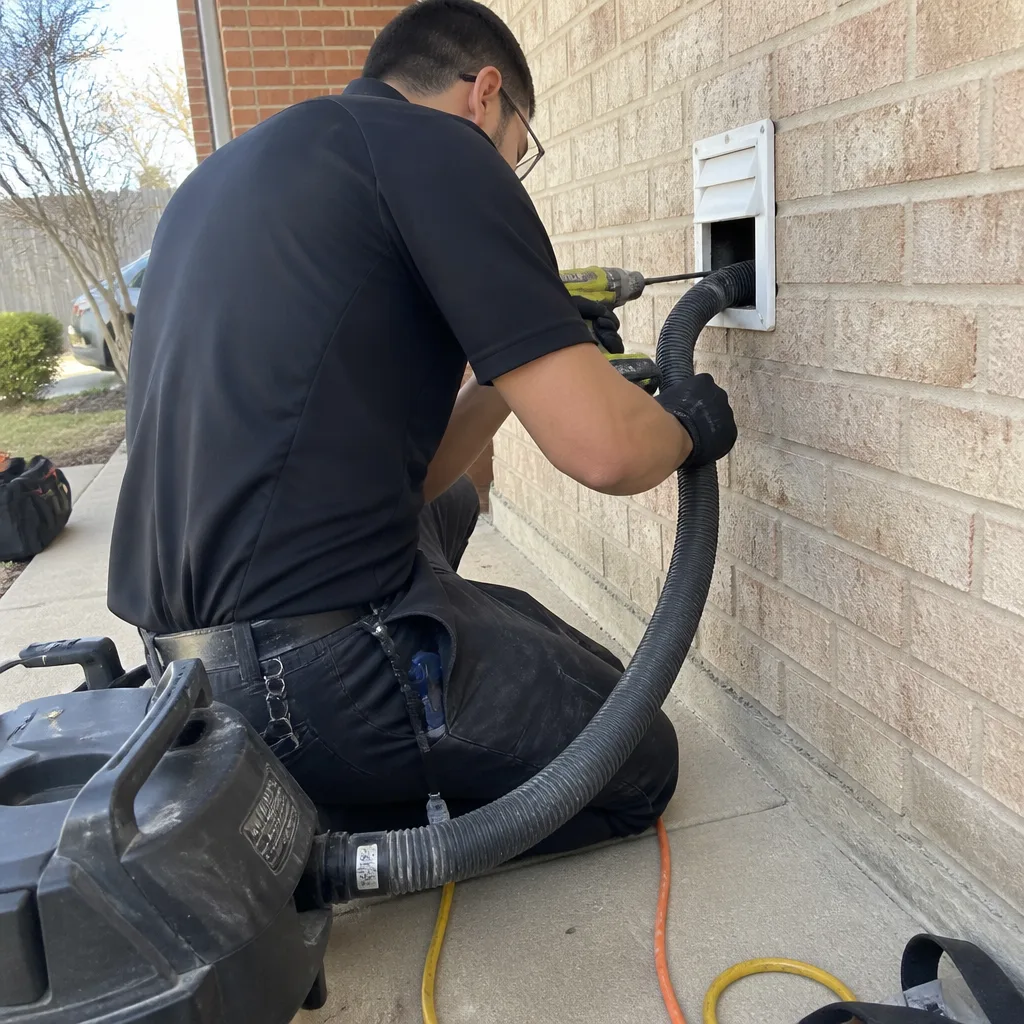 After
AfterReplacement Cost & What’s Included
Installed Nikro duct sealing and repair jobs in Fort Worth typically land between $220 and $480. A simple gasket or quick-connect seal swap sits at the low end. A full booster-fan reseal or a multi-point duct repair with access work lands at the high end. The variables are part type, how many seal points need attention, and whether we need to open drywall or crawl into a tight attic to reach the failure.
Here’s what every Nikro repair quote includes:
- The specific part, priced upfront. No vague “materials fee.” You see the part number and the cost before we start.
- Labor at a flat rate. Not hourly. We quote the repair, not the clock.
- A written guarantee on the repair. If it fails within 365 days, we come back and correct it at no charge.
- Before-and-after photos of your actual repair. You’ll see exactly what we replaced and why.
Every Cardinal Air Duct Fort Worth job includes a written price before any work starts. What we quote is what you pay. No change at the door, ever.
DIY or Call Us?
For most Nikro sealing system failures, the honest answer is: call us. These units operate under positive pressure, and a misaligned cartridge or a badly seated gasket will spray uncured sealant inside your ductwork. That’s a mess that costs more to clean up than the original repair ever would. There’s no “undo” button when the sealant finds its way into a finished register.
What you can safely do is basic triage. Check the unit for loose fittings. Look for obvious cracks in the cartridge housing. Confirm the hose connections aren’t twisted or kinked. Take the photos we mentioned earlier. If you’re comfortable with a volt meter, confirm the unit is receiving power at the outlet. But anything beyond a visual inspection and a photo session? Let a trained tech with Nikro experience handle it. The risk-reward on this one isn’t close.
Call (817) 730-6759 and we’ll walk through what you’re seeing. No charge for the phone consult, and if it’s a quick fix we can handle remotely, we’ll tell you exactly how.
FAQs
Expect 5 to 8 years from booster-fan gaskets and quick-connect seals in Fort Worth’s climate. Our attic temperatures routinely hit 140 degrees in August, and that heat cycling degrades rubber and polymer seals faster than the manufacturer’s national averages. Cartridge seats wear faster if units are moved between job sites frequently. We also service Nikro-compatible parts for Lennox, Trane, and Carrier duct systems, so if your equipment mixes brands, we can still source what you need.
Sometimes, but rarely worth it. A torn booster-fan gasket can occasionally be re-seated if the tear is on the outer edge, but a cracked cartridge seat or a blown quick-connect seal is a replace-only situation. We’ll give you an honest read before any money changes hands. If it’s repairable, we’ll say so and charge accordingly. Call (817) 730-6759 for a straight answer.
Most Nikro single-part swaps take 60 to 90 minutes from arrival to test cycle. If we’re doing a multi-point duct repair as well, plan on a half day. We’ll give you a live arrival window you can track, and our techs come background-checked and in uniform. You’ll know who’s coming and when.
We stock the common failure items: booster-fan gaskets, quick-connect seals, cartridge seats, and hose clamps for the NSS and NSR series. Oddball or low-volume parts we order and have within a few business days. Send us the model plate photo and we’ll tell you what’s in stock before you book.
Written by Omar Haddad, Owner, Cardinal Air Duct Fort Worth at Cardinal Air Duct Fort Worth, serving Fort Worth and nearby areas.