
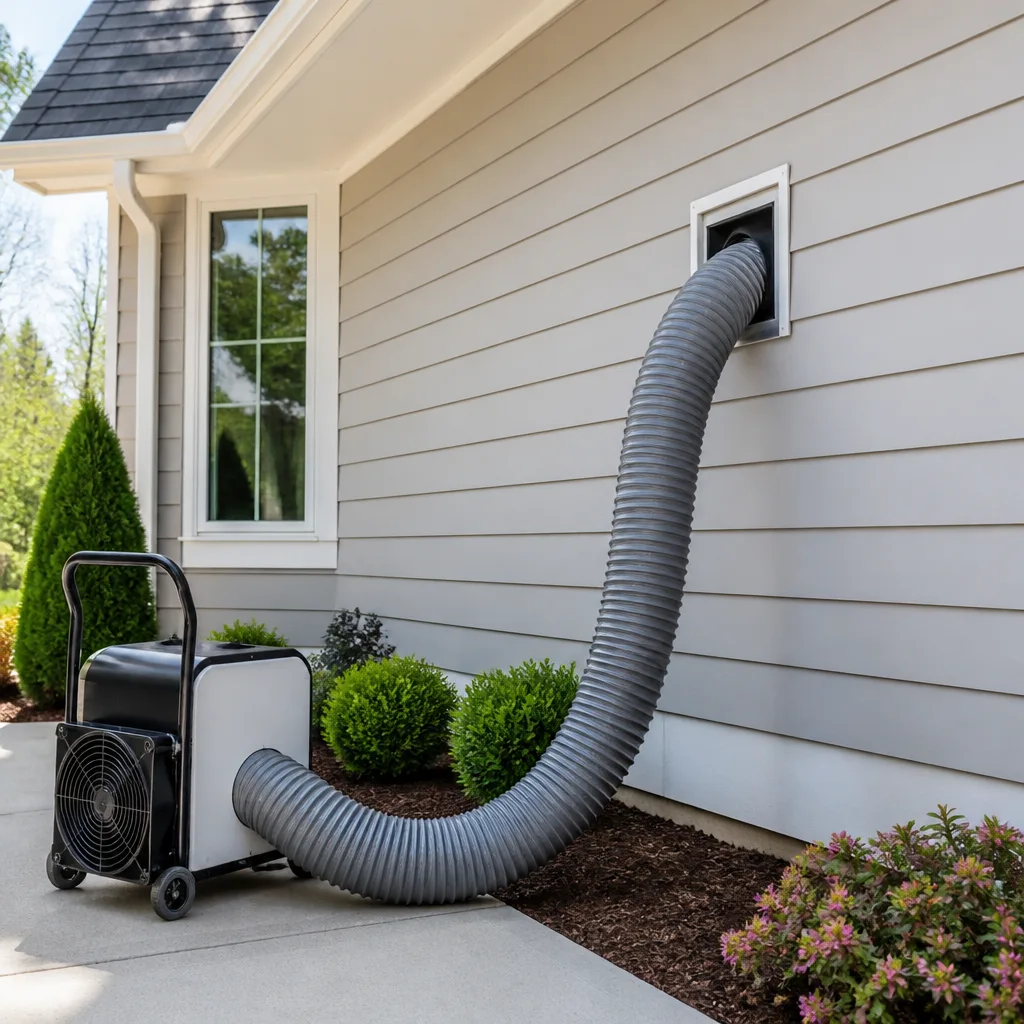
 Whole-home duct cleaning
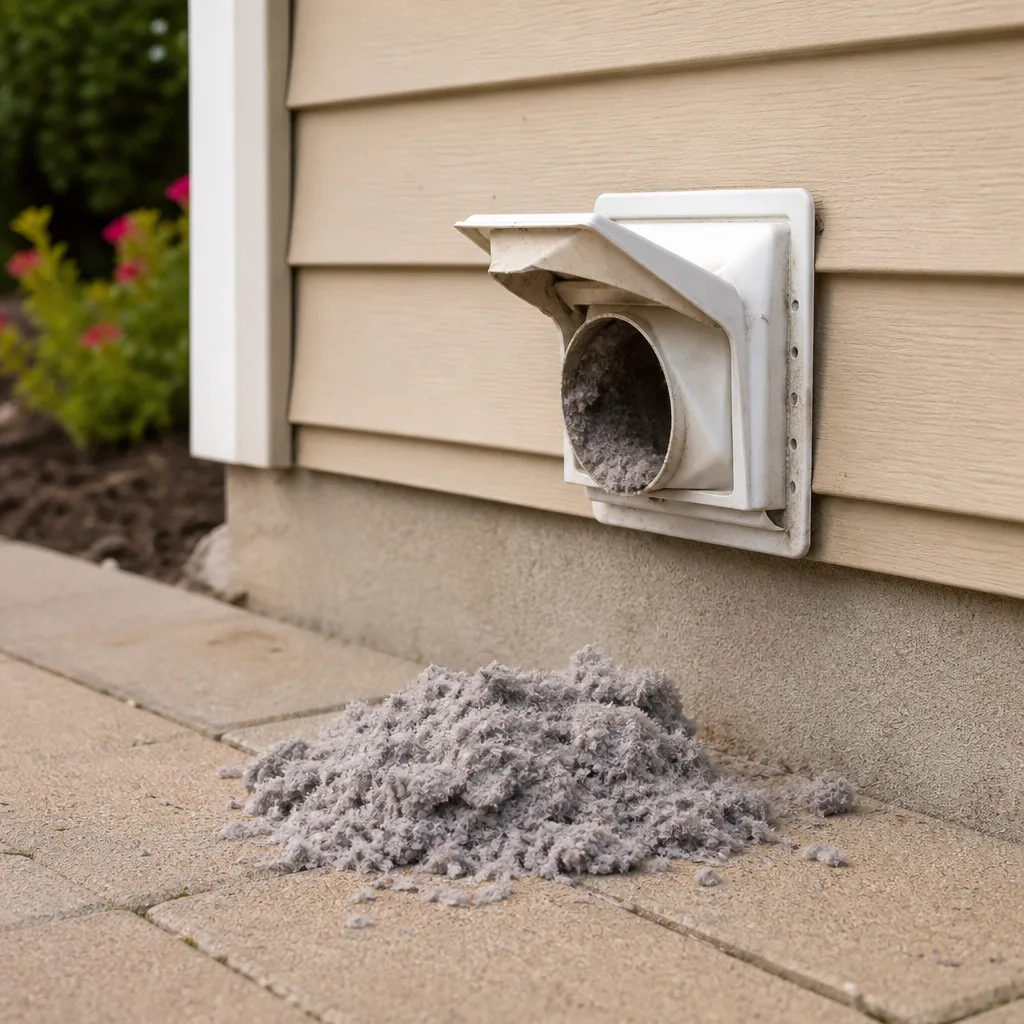 Dryer vent cleaning
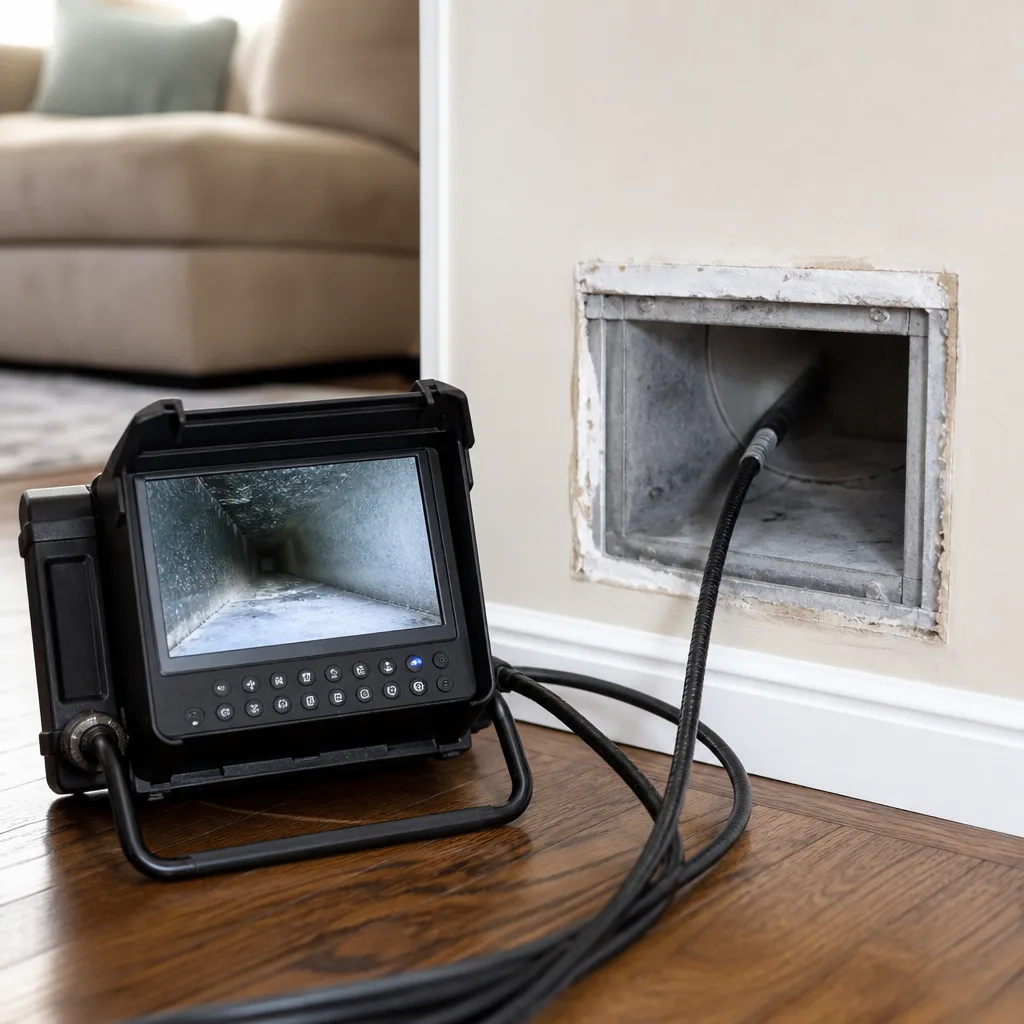 Camera inspection
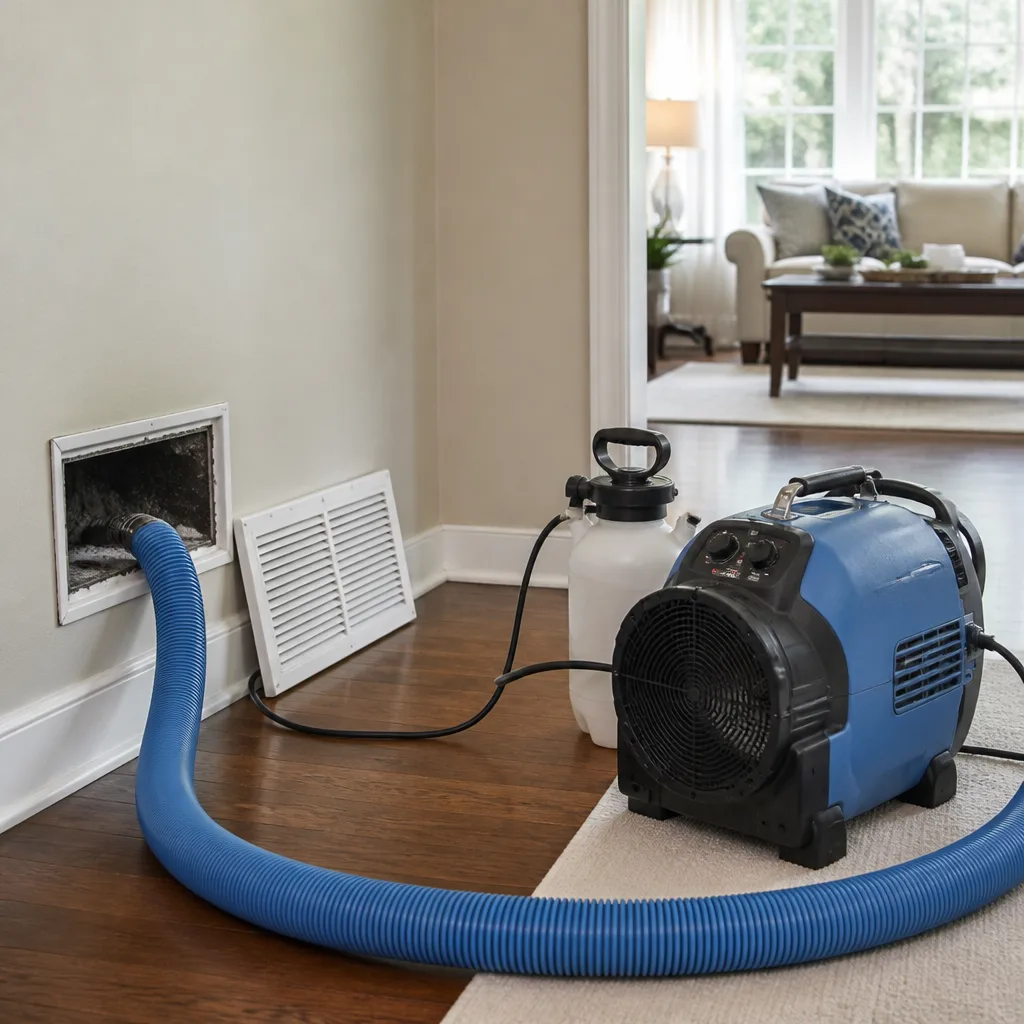 Sanitizing & deodorizing
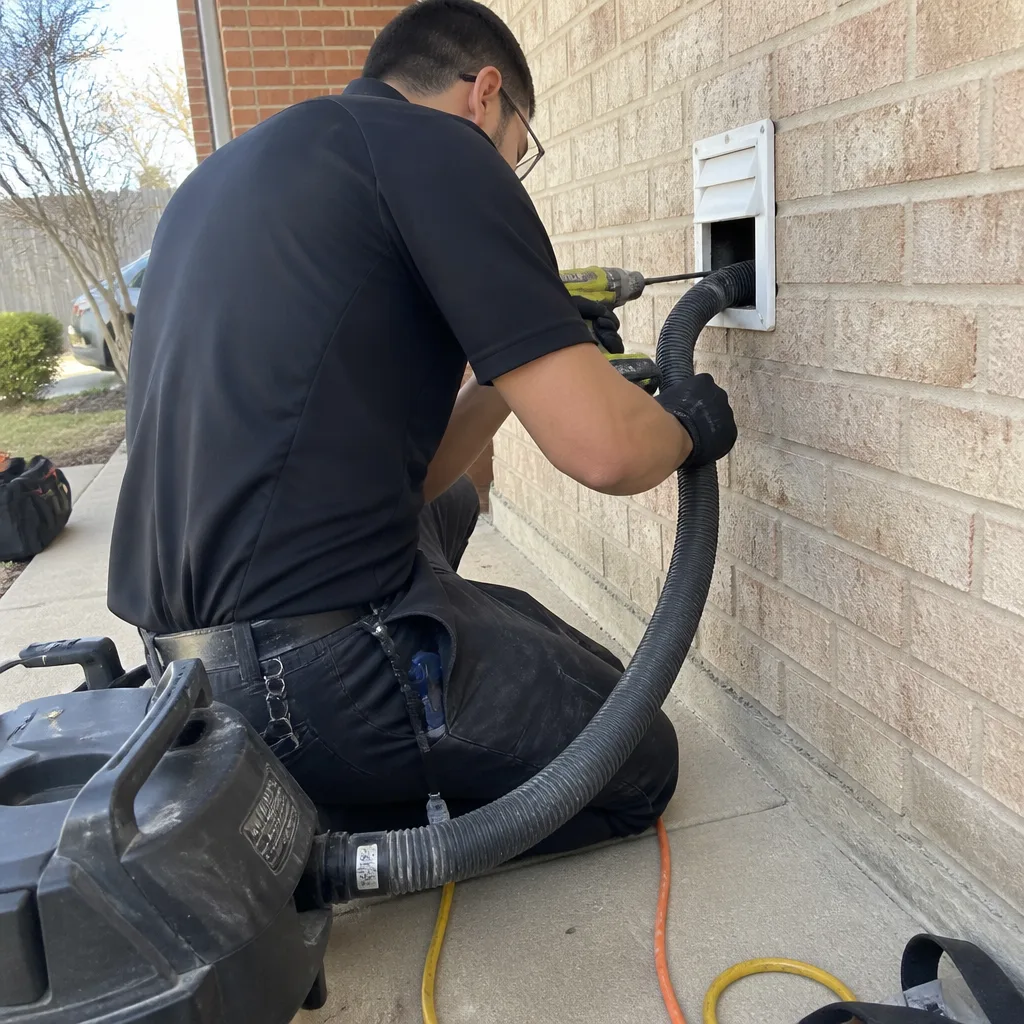
Whole-system duct and dryer vent check with before-and-after photos - you see exactly what came out of your vents
That "$99 whole-house special" is a bait ad - the real number appears once they are in your hallway, or the "clean" is a shop-vac at the register. We photograph the inside of your ducts before and after instead.
Honeywell Register & Grille Cleaning: The Fort Worth Owner’s Guide
Honeywell register and grille cleaning in Fort Worth typically runs $12 to $28 per register when done as part of a full duct cleaning, with whole-home register restoration for a 2,000-square-foot house landing between $180 and $340. We stock Honeywell-compatible register brushes, fin combs, and replacement fasteners on our trucks, so most jobs are completed the same day as your duct cleaning without a second appointment. Most Fort Worth homeowners call us after they notice registers that won’t sit flush anymore, fins bent from years of vacuum bumps, or a gray film that no amount of wiping seems to remove.
Which Honeywell Models This Applies To
Honeywell registers and grilles span three main lines you’ll find in Fort Worth homes: the standard stamped steel E-Series (most common in 1990s and 2000s construction), the heavier CT-Series with opposed-blade dampers, and the decorative DK-Series with curved louver profiles. The cleaning and restoration approach differs by series because stamped steel fins bend far more easily than the cast aluminum louvers on DK units. Before we touch a register, we check the stamped model number on the inside edge of the frame – if it’s worn off, we measure the duct opening instead because Honeywell registers are sized by actual opening dimensions, not the outer flange width. That measurement gap is where most DIY replacements go wrong: buying a 10×6 register for a 10×6 opening when Honeywell’s outer flange adds a half-inch in each direction.
One compatibility note worth knowing: older Honeywell sidewall registers from the early 2000s often used a non-standard screw tab spacing. Modern Honeywell replacements changed that spacing by about 3/16 of an inch. If you’re replacing one register, you may need to drill new pilot holes. If you’re having us clean and restore instead, we re-bend the tabs during reinstallation so nothing needs redrilling. We are an independent service provider and not affiliated with Honeywell, but we work with their products daily and keep OEM-compatible replacement hardware on hand alongside quality aftermarket equivalents.
Styles & brands we work with
Signs Your Honeywell Register & Grille Cleaning Is Failing
Here’s what Fort Worth homeowners notice before they call us:
- Fins that won’t hold position. Repeated vacuum contact and kids’ toys gradually weaken the pivot points. The register still passes air, but you’ve lost directional control. We can often re-tension standard fins on-site without replacing the unit.
- Gray or brown discoloration that returns within days of wiping. This isn’t surface dust – it’s particulate baked into the paint from years of HVAC cycling combined with Fort Worth’s clay-heavy soil dust. A proper cleaning removes it; household cleaners just smear it around.
- Register won’t sit flush against the wall or floor. The frame or mounting tabs have bent, usually from being stepped on or pulled out too many times without fully releasing the tabs. A loose register leaks conditioned air into the wall cavity.
- Whistling or rattling when the system runs. Bent fins create turbulence. Rattling means the register frame has loosened from its mounting. Both are fixable, but leaving the rattle means air escape around the frame edges.
- Visible rust or paint flaking on older steel registers. Fort Worth humidity plus condensation from AC runs creates corrosion on unprotected steel. Once rust starts, cleaning alone won’t stop it – the register needs refinishing or replacement.
See the difference
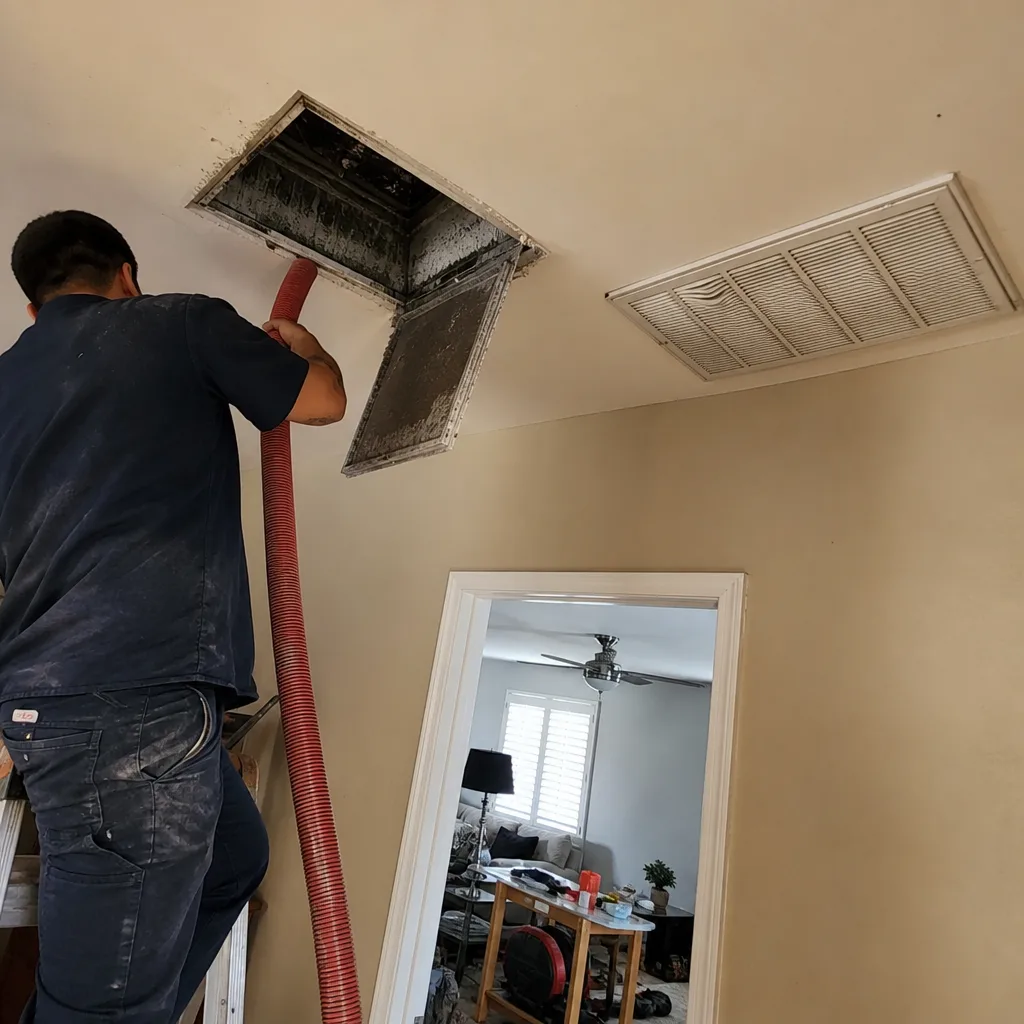 Before
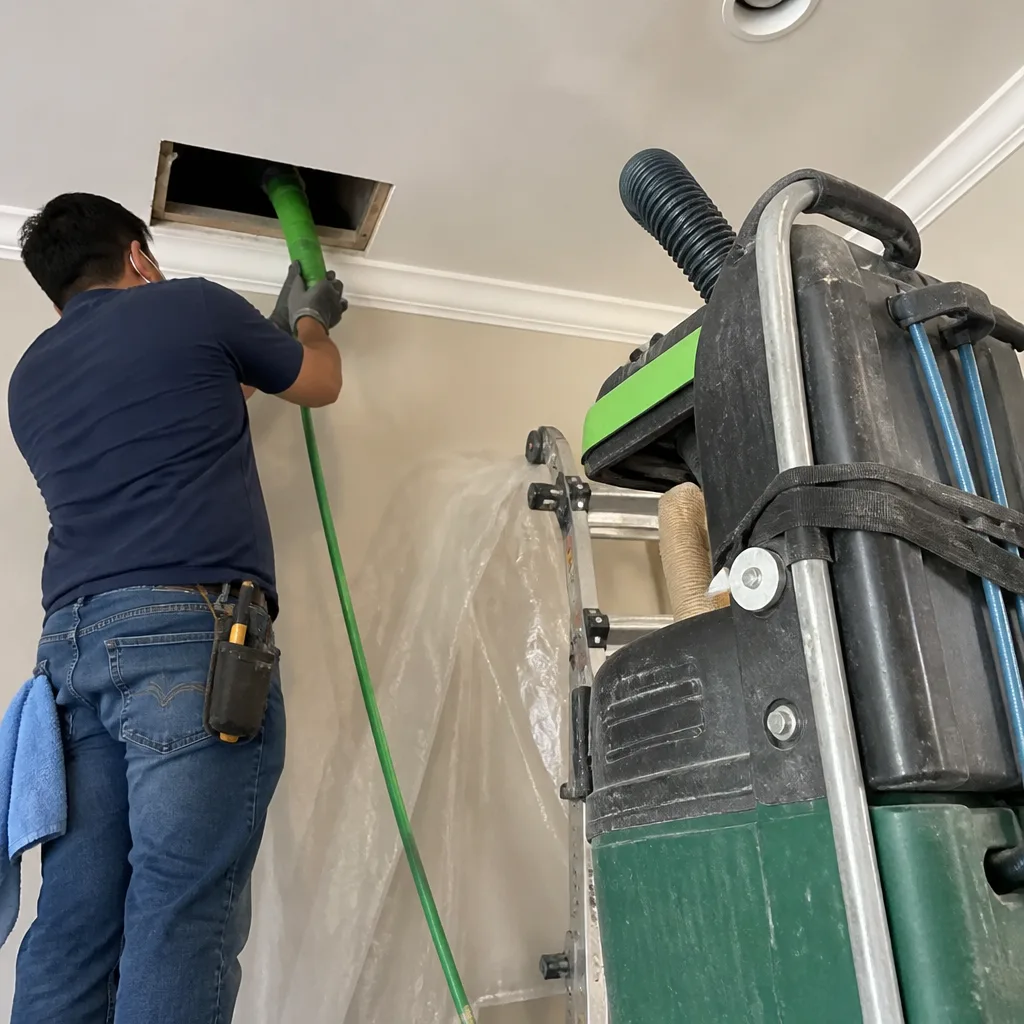 After
After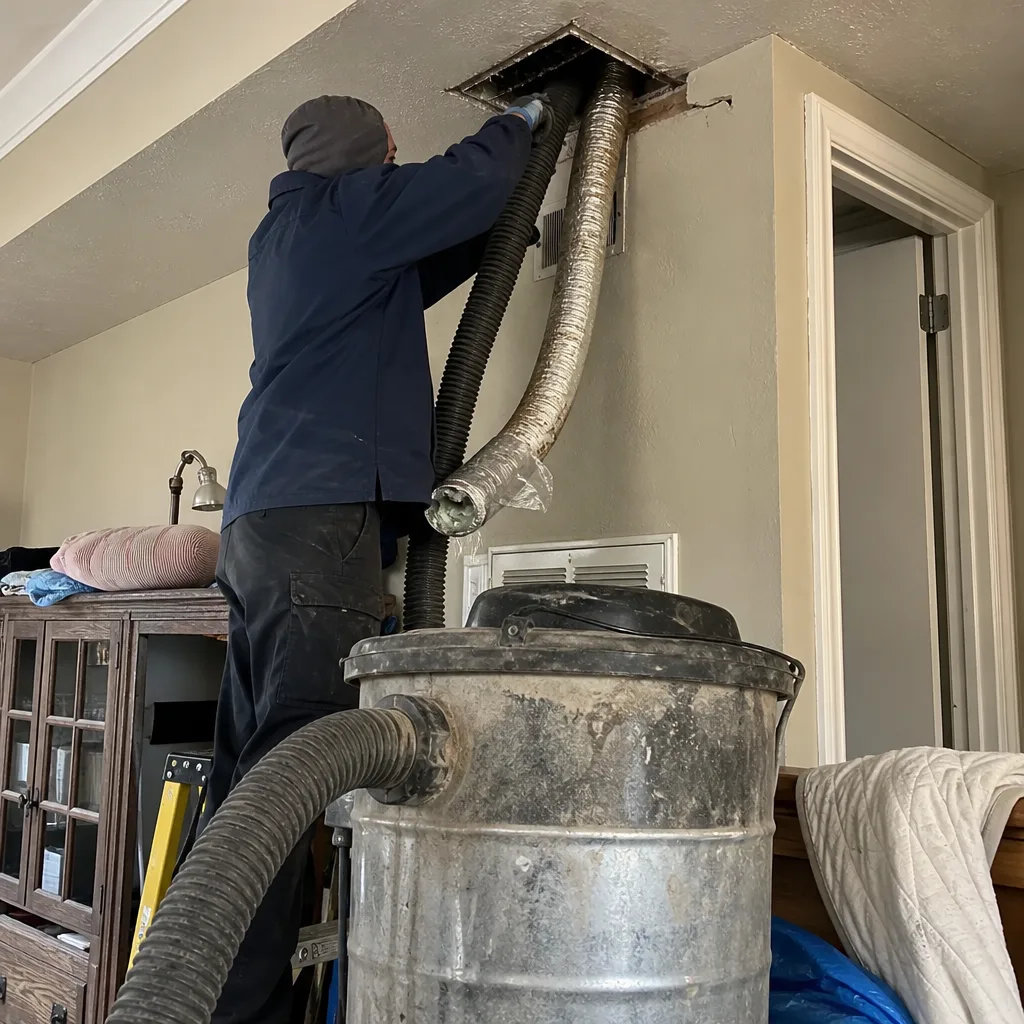 Before
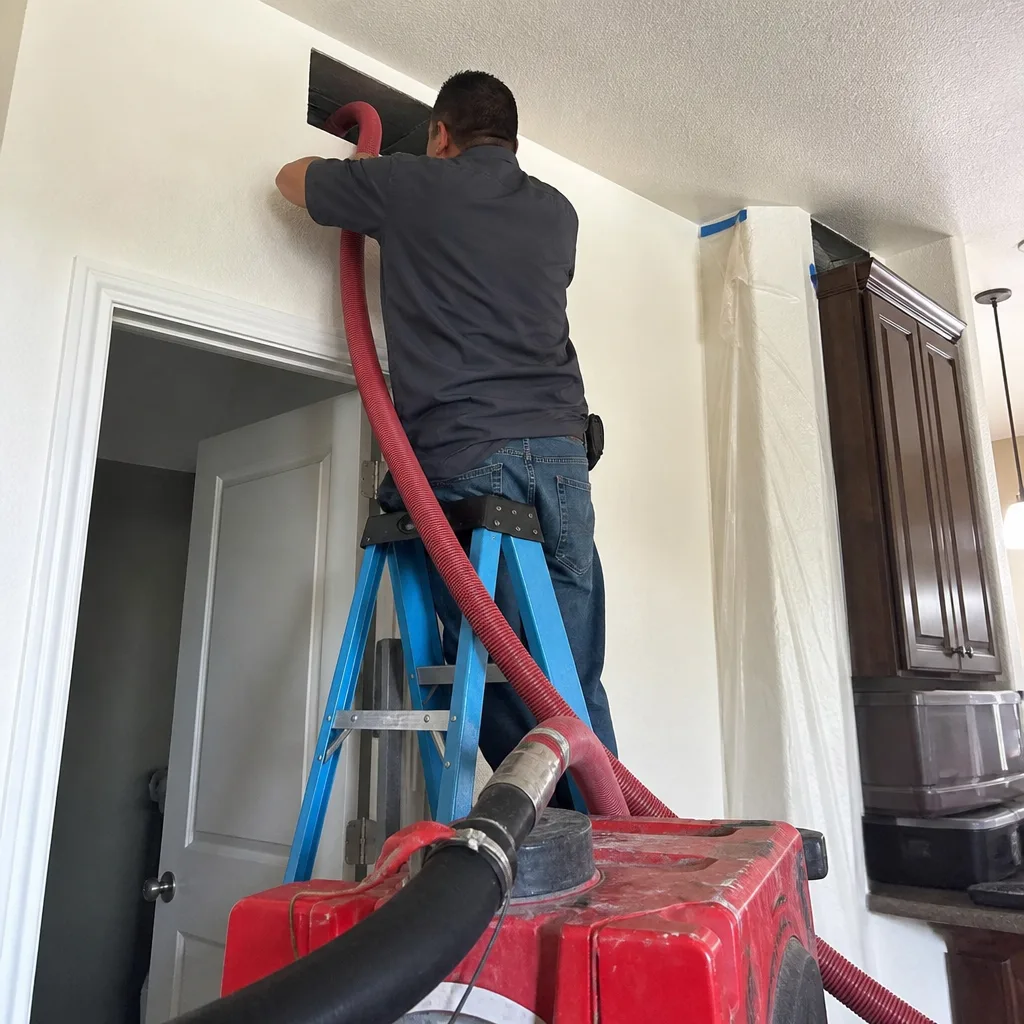 After
After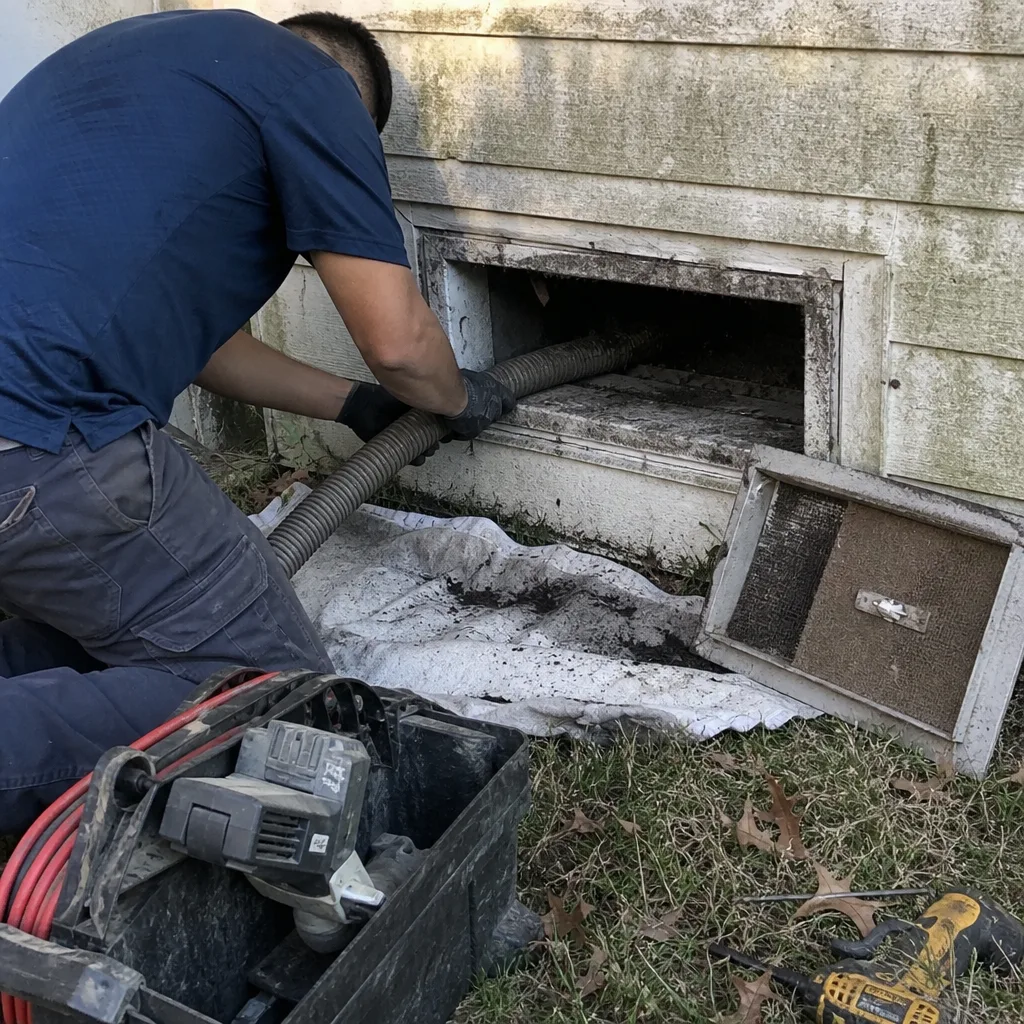 Before
 After
AfterReplacement Cost & What’s Included
Register and grille cleaning in Fort Worth runs on three tiers. Individual register restoration (cleaning, fin straightening, re-tensioning) is $12 to $28 per register when we’re already on-site for duct cleaning. Whole-home register restoration for a typical 15- to 20-register home runs $180 to $340. If replacement is needed, standard Honeywell E-Series registers cost $18 to $45 each installed, while decorative DK-Series units run $40 to $90 installed depending on size and finish.
What drives the range is straightforward: how many registers you have, whether they’re stamped steel or aluminum, and how much mechanical damage has accumulated. Every quote includes a written price before we touch anything – you’ll know the total for parts and labor before a single screw comes out. The work is covered under our 365-Day Done Right Promise: if a register we cleaned or replaced doesn’t sit right or function properly within a year, we come back and correct it at no charge. There’s no separate warranty claim process, no fine print, no “that’s not covered.”
DIY or Call Us?
Some register maintenance is genuinely safe to do yourself. Removing a register and wiping it with warm water and mild dish soap – that’s fine. Vacuuming loose dust off the face, fine. But the moment you’re dealing with bent fins, corroded metal, stripped mounting tabs, or a register that hasn’t been out of its opening in a decade, you’re better off with a pro. We’ve pulled registers in Fort Worth homes where the tabs snapped from metal fatigue the second we applied pressure. If that happens mid-DIY, you’re left with a register that won’t mount anywhere and cold air leaking into your wall. We carry replacement frames, tabs, and fasteners for Honeywell, Lennox, Trane, and Carrier systems on the truck, so we can finish the same visit. Call (817) 730-6759 and we’ll give you a straight answer on whether yours are worth restoring or replacing.
FAQs
The lifespan is heavily influenced by Fort Worth’s specific conditions. Expect 8 to 15 years from standard stamped steel E-Series registers before fin fatigue or corrosion becomes visible, longer for aluminum CT-Series and DK-Series units. Homes with high humidity issues, pets, or frequent vacuum contact will see the shorter end of that range. Call (817) 730-6759 if you’re unsure whether yours are still serviceable – we’ll tell you honestly whether cleaning or replacement makes more financial sense.
Bent fins can usually be straightened and re-tensioned in about ten minutes per register, which is why we charge repair rates far below replacement costs whenever the frame and mounting tabs are intact. Corrosion is different – once steel has rusted through, there’s no reliable way to restore it, and we’ll recommend replacement rather than a patch job. Either way, you get a written price before we proceed.
A whole-home register restoration takes 45 to 90 minutes when combined with your duct cleaning, and individual register replacements take about 10 to 15 minutes each. We quote the time at the start, and the written price doesn’t change if the job takes longer than expected. Call (817) 730-6759 to schedule, and we’ll confirm everything before we arrive.
We carry the most common Honeywell E-Series sizes and finishes on every truck, plus replacement fasteners, fin combs, and frame tabs. Decorative DK-Series and custom sizes may need a follow-up visit if we don’t have your exact match on hand. If that happens, we’ll install a temporary replacement so your system keeps running while the correct part comes in.
Written by Omar Haddad, Owner, Cardinal Air Duct Fort Worth at Cardinal Air Duct Fort Worth, serving Fort Worth and nearby areas.