
Last updated October 15, 2026
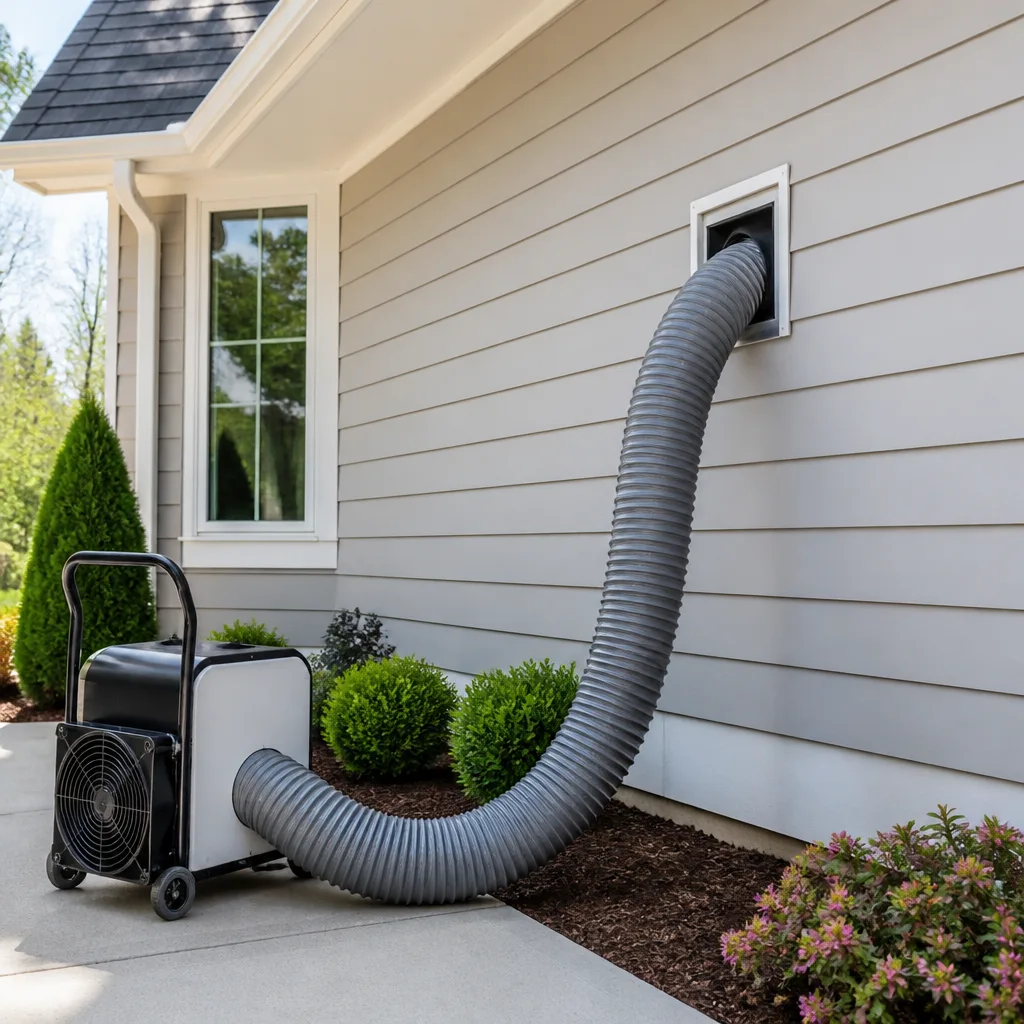 Whole-home duct cleaning
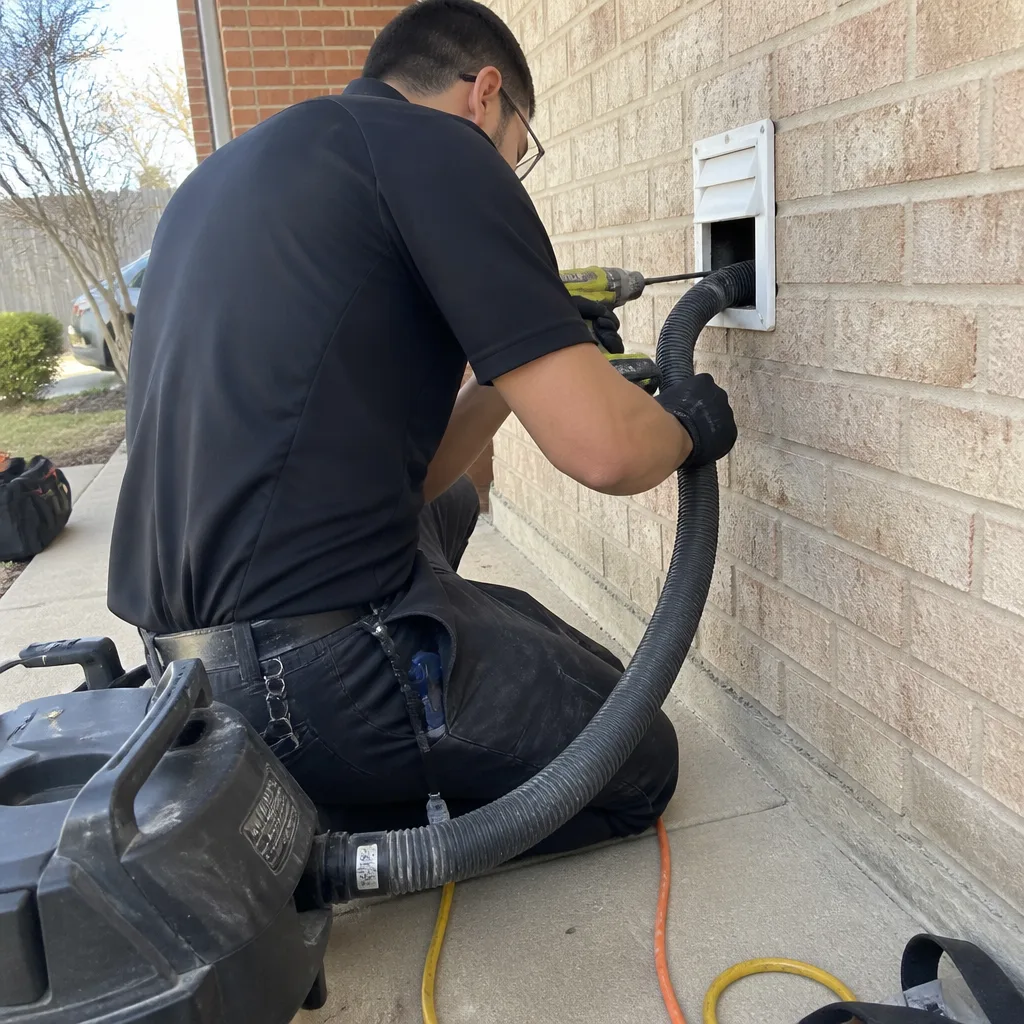
 Dryer vent cleaning
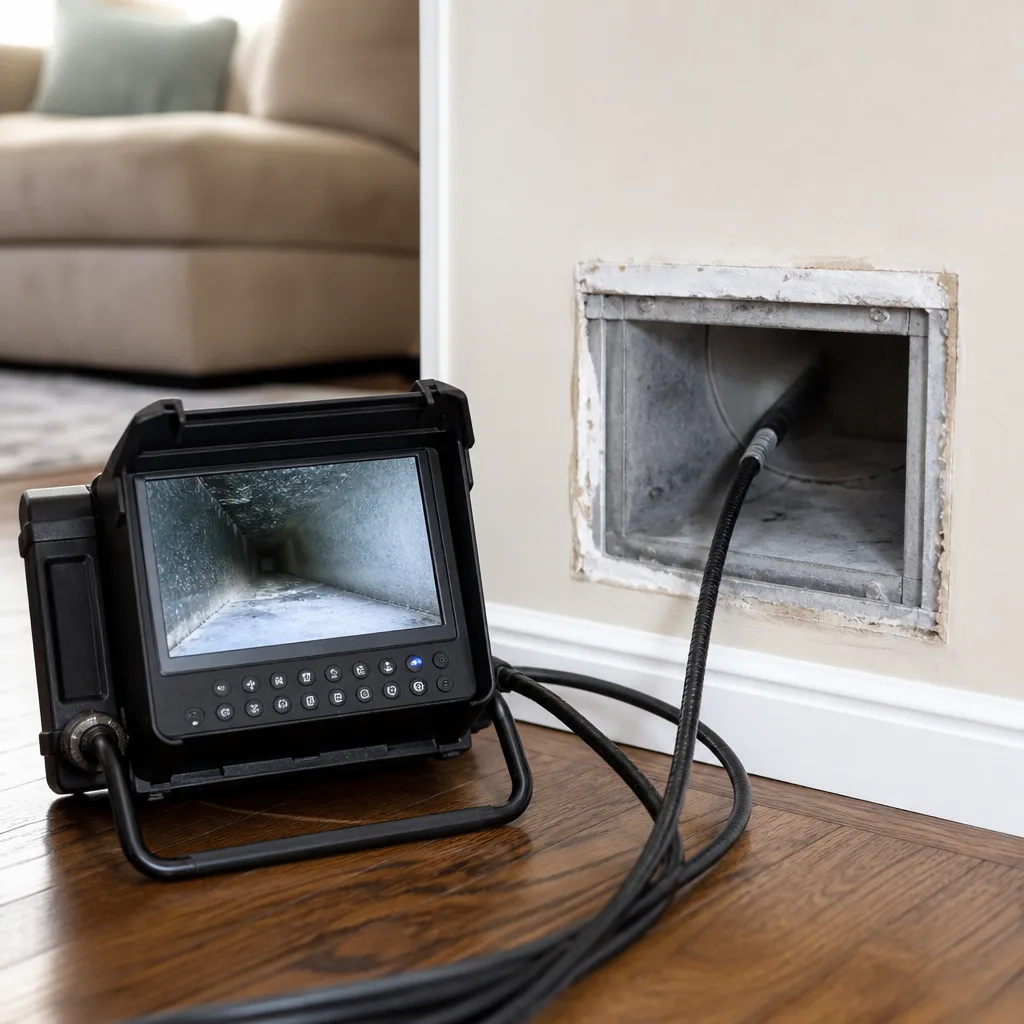 Camera inspection
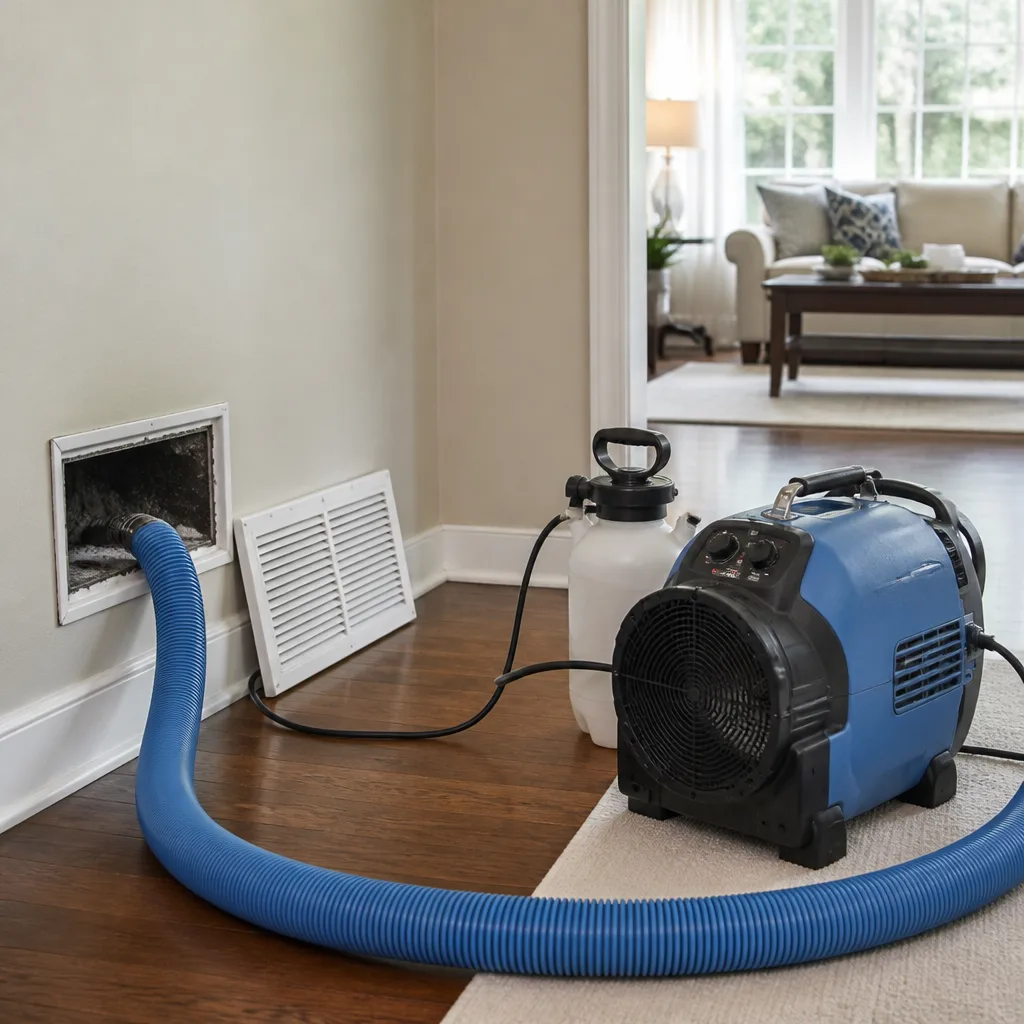 Sanitizing & deodorizing
Whole-system duct and dryer vent check with before-and-after photos - you see exactly what came out of your vents
That "$99 whole-house special" is a bait ad - the real number appears once they are in your hallway, or the "clean" is a shop-vac at the register. We photograph the inside of your ducts before and after instead.
Seasonal Air Duct Cleaning Care for Fort Worth: Year-Round Homeowner’s Guide
Fort Worth homeowners run their HVAC systems harder than almost anywhere else in Texas. Our summers push attic temperatures past 140°F while winters deliver enough dry, dusty air to make a static shock feel like a personality trait. Here’s the counterintuitive part: the most expensive duct problems in Fort Worth don’t start when your system is running hardest. They start in the quiet weeks between seasons, when moisture, pollen, and construction dust settle into your ductwork and wait. This guide maps exactly when those contamination windows open and close throughout the year, so you’ll know precisely when duct cleaning pays for itself and when it can wait.
Styles & brands we work with
Quick Answer
The best time to clean air ducts in Fort Worth TX is late February through early March, before the cooling season kicks in and before oak and cedar pollen peak in April. A close second is October through November, after summer debris has settled but before cedar fever season starts in December. Most Fort Worth homes need our Air Duct Cleaning services every 3 to 5 years depending on pets, renovation history, and allergy sensitivity, but seasonal inspections and filter maintenance should happen on a fixed monthly schedule year-round.
Table of Contents
- Fort Worth’s Two-Season Climate Reality (And Why It Changes Everything)
- February to March: The Highest-ROI Duct Cleaning Window in Fort Worth
- April to May: Pollen Season and the Filter Mistake Everyone Makes
- June to August: What 100-Degree Days Do to Flex Duct Integrity
- October to November: Post-Summer Inspection and Filtration Upgrades
- December to January: Cedar Fever and Return-Air Filter Behavior
- Year-Round Tracking: Building a Home Log That Tells You When Cleaning Is Actually Needed
- Common Mistakes to Avoid
- When to Call a Professional
- Frequently Asked Questions
- The Bottom Line
Fort Worth’s Two-Season Climate Reality (And Why It Changes Everything)
Most duct cleaning advice you’ll find online was written for four-season climates. It talks about spring and fall as equal opportunities for service, as if your HVAC system politely rests for months at a time. Fort Worth doesn’t work that way. We get roughly eight months of active cooling demand, three months of intermittent heating, and about six weeks total of genuinely mild weather scattered across February, March, October, and November. Those shoulder periods aren’t downtime. They’re the only realistic windows where professional duct work makes sense before your system gets pressed back into continuous service.
The practical consequence is simple. If you wait until your AC is already struggling in July to address dirty ducts, you’re paying peak-season prices for a problem that started accumulating in November. If you ignore your ducts entirely through the winter, you’re pushing months of cedar dust, pet dander, and general Fort Worth grit through your home the first time that thermostat flips to cool in March. Understanding our actual climate rhythm is the foundation of every seasonal recommendation that follows. It also explains why the timing here matters more than the cleaning itself in many cases. A mediocre cleaning done in late February outperforms an excellent cleaning done in mid-August, purely because of what your system encounters in the weeks after service.
We’ve worked on systems in neighborhoods across Tarrant County, from older post-war homes in Ridglea Hills with original rigid ducts to brand-new flex-duct installs in Walsh and Chisholm Trail Ranch. The climate stresses are identical, but the way duct materials respond varies significantly. Rigid metal ducts handle heat fine but hide moisture problems well. Flex duct fails visibly but gradually. Neither responds well to being ignored for five years.
February to March: The Highest-ROI Duct Cleaning Window in Fort Worth
If you only remember one section from this guide, make it this one. Late February through early March is the single best time to clean air ducts in Fort Worth, and here’s why in plain terms. Your heating system has been cycling on and off since November. That cycling pulls dry winter air across your return ducts, depositing fine dust that settles when the blower stops. Meanwhile, the temperature swings between 30°F nights and 70°F afternoons create condensation inside unconditioned duct runs, turning that settled dust into a thin film that sticks rather than blows away. Come late March, when you switch that thermostat to cool, the first blast of air through your supply register mobilizes everything that spent the winter building up. If moisture got involved, that’s when the musty smell appears. Every room. All at once.
Catching this in February costs you a standard cleaning. Catching it in April, after the smell has spread through furniture and carpet, often means cleaning plus odor treatment plus the frustration of living with it for weeks. The economics aren’t subtle. Here’s what a pre-cooling season checklist should include for a Fort Worth home:
- Register inspection. Pop off two supply registers on opposite ends of the house and look inside with a flashlight. If you can scrape visible debris off the duct walls with a butter knife, you’re past due.
- Return air grille check. When was the last time you looked at the return grille itself? It catches what your filter misses. A gray fuzz line around the grille edges means the return side is pulling unfiltered air from somewhere, often a disconnected duct joint in an attic chase.
- Filter housing seal test. Turn off the system and run a finger along where the filter sits. A proper seal prevents bypass air. If you feel gaps, unfiltered Fort Worth dust has a straight shot into your evaporator coil and supply ducts.
- Plenum inspection. For homes with accessible attic units, have a look at the supply plenum where ducts connect. Rust streaks indicate past condensation. If the rust is new or spreading, that’s a moisture problem that cleaning alone won’t fix.
- Attic flex duct scan. Look for sagging runs, kinked sections, or silver duct tape peeling away. Sagging flex duct collects dust faster because its interior surface area effectively increases when the duct wall collapses inward.
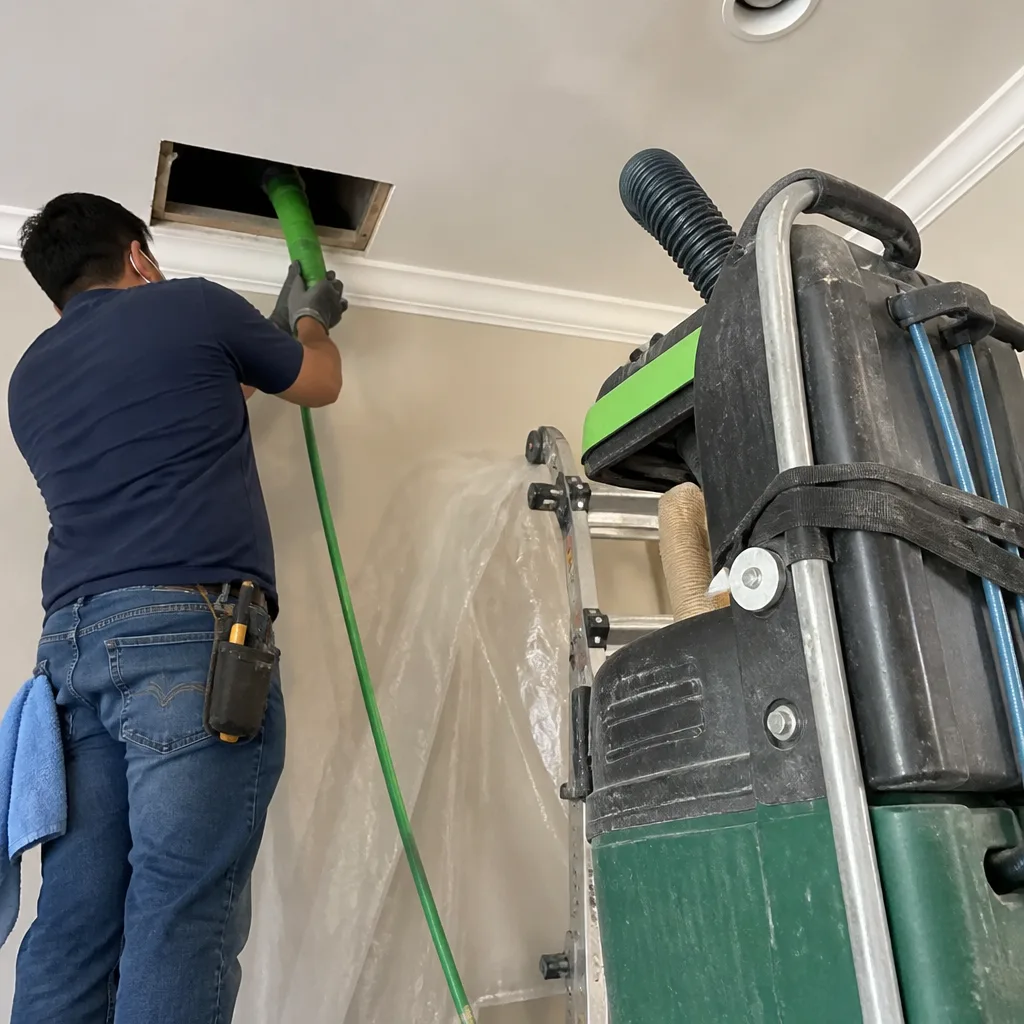
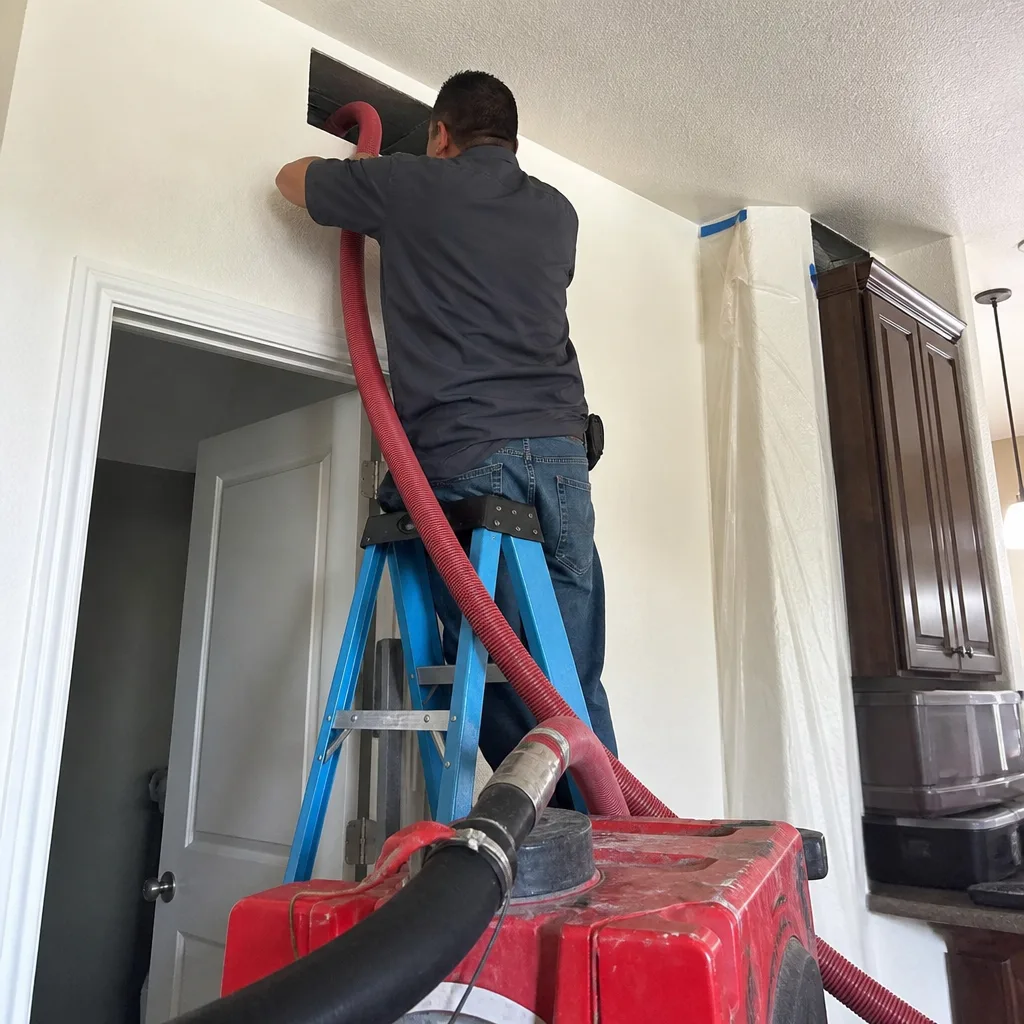
One of the reasons we run Rotobrush rotary brush systems and Nikro HEPA-rated vacuum extraction units rather than a truck-mounted shop vac is that February jobs often involve caked material that simple suction can’t loosen. When winter condensation has turned dust into a sticky layer, a brush first and vacuum second is the only sequence that actually removes it. A vacuum-only approach skims the surface and leaves the adhesive layer behind, which is why some homeowners get their ducts cleaned in March and still smell the must by May. For an honest look at what a proper cleaning involves, see our Air Duct Cleaning in Fort Worth page, where we break down our standard process step by step.
April to May: Pollen Season and the Filter Mistake Everyone Makes
April in Fort Worth means oak pollen counts that make national news, followed quickly by grass pollen that lingers into early May. Your HVAC system is now in full cooling mode for the first stretch of the year, meaning it’s pulling outside air through whatever gaps exist in your return path and circulating pollen through every room. The mistake we see most often isn’t a dirty filter. It’s a filter that’s too restrictive for the system it sits in, causing the homeowner to either run a MERV 13 that chokes airflow or a MERV 8 that lets fine pollen through.
What actually happens during pollen season is this. Your return air grille becomes the highest-pressure dust collector in the house. Pollen grains are comparatively large, roughly 10 to 100 microns, which means a MERV 8 filter catches most of them. But the fine particles that hitch a ride with pollen, including mold spores and diesel soot from I-35 corridor traffic, pass straight through. That’s the material that accumulates on your evaporator coil and inside your supply ducts. It doesn’t cause sneezing fits the way pollen does. It causes a dull, persistent musty odor that shows up around June when the coil gets wet for the first sustained stretch of the summer.
Between April and May, check your filter every two weeks even if you normally check monthly. Pollen loads can plug a filter in ten days during peak bloom. If you have family members with oak or cedar allergies, step up to a MERV 11 pleated filter but confirm your system can handle the static pressure drop. A filter that’s too dense for your blower motor causes low airflow, longer runtimes, higher bills, and ironically worse filtration because air starts bypassing the filter entirely at the housing seams. If you’re unsure what your system can handle, have an HVAC or duct professional check the total external static pressure next time you get any service done. It’s a five-minute measurement that tells you exactly how much filter your system can tolerate. We also recommend upgrading the whole-home filtration approach in a more durable way during this window, which we’ll cover in the October section, because doing it while pollen is actively slamming your system just compounds the restrictive-filter problem.
June to August: What 100-Degree Days Do to Flex Duct Integrity
Fort Worth summers are brutal on ductwork in a way that rarely gets discussed. Most homeowner concerns focus on AC performance, refrigerant charge, and attic insulation. Those all matter. But the component quietly degrading all summer is your flex duct, the insulated flexible tubing that connects your main trunk line to individual supply registers in most homes built after 1990.
Here’s the specific failure mode. Flex duct is constructed in layers: an outer foil or plastic vapor barrier, a fiberglass insulation layer, and an inner plastic liner that actually carries the air. Sustained attic temperatures above 130°F cause the adhesive that bonds the insulation to the liner to break down over time. When that bond fails, the inner liner delaminates, meaning it starts to separate and wrinkle inward. This is bad for three reasons. First, the wrinkles create turbulence and reduce airflow to that room. Second, the displaced insulation leaves gaps that let condensation form between the liner and insulation in humid conditions. Third, the wrinkled liner creates hundreds of tiny pockets where dust and debris collect faster than on a smooth surface.
Spotting early delamination is not difficult if you’re willing to get into your attic, and early detection is the difference between spot repair and full duct replacement. Here’s what to look for during June, July, or August not during the hottest part of the day, early morning is fine:
- Visual inspection of straight runs. A healthy flex duct run has a smooth, consistent cylinder shape. If you see bulges, flat spots, or sections that look like a half-deflated balloon, the liner has lost its structural connection to the insulation.
- Touch test. Squeeze the duct gently along its length. It should feel uniformly firm and springy. Soft or spongy sections, especially near elbows or takeoffs, indicate insulation compression or moisture absorption.
- Condensation tracking. On humid mornings, run your hand under the outer jacket at the lowest point of each run. Any dampness on the outside means the vapor barrier is compromised, and the inside is almost certainly worse.
- Register airflow comparison. Put your hand under each supply register in mid-July with the system running. Rooms with noticeably weaker airflow than others often have a sagged or delaminated duct run feeding them, not a damper or register problem.
The repair economics matter here. Replacing one 20-foot section of flex duct in Fort Worth typically runs $300 to $500 installed, depending on attic accessibility and run length. Replacing every flex duct in a 2,000 square foot home can run $2,500 to $4,500. Catching delamination early means you pay for the section. Missing it for two more summers means you pay for the system. If you want a professional second opinion without any commitment, our HVAC Cleaning in Fort Worth service includes an attic duct inspection as part of every visit, because you can’t clean what’s already compromised.
October to November: Post-Summer Inspection and Filtration Upgrades
Here’s what your duct system looks like in October after a typical Fort Worth summer. The cooling season just ended after roughly 180 days of continuous or near-continuous operation. That’s six months of dust, pet dander, human skin cells, and whatever the construction boom in Far North Fort Worth has been kicking into the air. The evaporator coil has been wet and dry hundreds of times. The flex ducts just survived their most stressful stretch of the year. And in about six weeks, the heating season starts, which means that same debris load is about to get baked, recirculated, and possibly cemented in place by dry winter air.
This is the second major service window of the Fort Worth year, and it serves a different purpose than the February-March window. February cleaning is about clearing out winter moisture and dust before cooling starts. October-November servicing is about removing summer accumulation and upgrading filtration before the cedar season begins in December. Both are legitimate, but the philosophy is different. February is maintenance. October is preparation.
The most valuable upgrade you can make in this window is moving from a standard 1-inch filter setup to a proper whole-home filtration solution. We regularly install Aprilaire whole-home filtration systems for Fort Worth homeowners in October and November, and the timing is not a coincidence. Cedar pollen, which we’ll discuss in the next section, is small enough that standard MERV 8 filters are nearly useless against it. But installing a restrictive high-MERV filter in a system designed for low restriction is asking for blower motor strain. The whole-home approach solves this by placing the filter in a dedicated cabinet with a much larger surface area, which means you get high filtration efficiency without the airflow penalty. It’s the difference between forcing your system to breathe through a straw and giving it a proper respirator.
October is also the right time to walk your attic one more time and assess whether this summer pushed any flex duct past the point of no return. The delamination we described in the previous section often becomes visually obvious in October because the temperature differential between the attic and conditioned space narrows, making condensation easier to spot. If we see homes in Lake Worth or Saginaw with sagged ducts in October, the repair window is still open. By December, attic work gets cold, rushed, and less pleasant for everyone involved.
December to January: Cedar Fever and Return-Air Filter Behavior
If you’ve lived in Fort Worth for more than a year, you’ve either experienced cedar fever or watched someone else suffer through it. Mountain cedar pollen blows in from the Hill Country starting in mid-December and peaks in early January, and Fort Worth sits directly in the path. What most homeowners don’t realize is that cedar pollen interacts with HVAC filtration differently than almost any other common airborne particle, and understanding that difference changes what you should do with your system during these months.
Cedar pollen grains are small, typically 20 to 30 microns, which puts them right at the threshold of what a MERV 8 filter catches consistently. Under lab conditions, a MERV 8 catches most cedar pollen. Under real-world conditions in a Fort Worth home with imperfect filter housing seals, bypass air, and a dusty return plenum, it catches significantly less. Worse, cedar pollen is spiky and irregularly shaped under a microscope. Those spikes make the grains cling to duct walls, filter media, and each other more readily than smooth pollen types. Once cedar pollen gets past the filter and into the supply side, it doesn’t just blow through your registers. It sticks to the duct walls and accumulates, waiting to be loosened by the next humidity cycle.
The practical guidance for December and January is this. First, run your system fan in the “on” position rather than “auto” during peak cedar weeks. Continuous airflow means continuous filtration, and a MERV 11 filter with air moving through it 24/7 removes more cedar pollen than a MERV 13 filter with air moving through it 20 minutes per hour. Second, establish that your filter housing is sealed before cedar season starts. This is the single highest-impact, lowest-cost intervention for allergy sufferers. Third, if someone in your home has severe cedar allergies, consider supplementing with standalone HEPA air purifiers in bedrooms rather than trying to force your central system to do work it wasn’t designed for. A Nikro HEPA unit running in a bedroom for eight hours removes more cedar pollen from that room’s air than a central system running the same duration with a standard filter.
One note specific to dryer vents during this season, which gets less attention than it should. Dryer vents are not part of your HVAC system, but they share attic space in many Fort Worth homes, and cedar pollen is light and dry enough to accumulate on the exterior vent hood and work its way into the duct. If your dryer has been running longer cycles than usual in January, check both the lint trap and the exterior vent before assuming the dryer itself is failing. Our Dryer Vent Cleaning in Fort Worth page covers this in more detail.
Year-Round Tracking: Building a Home Log That Tells You When Cleaning Is Actually Needed
The duct cleaning industry has an honesty problem, and Fort Worth homeowners are smart enough to feel it. If you call three different companies, you’ll get three different answers about whether you need cleaning, how often you need it, and what it should cost. The only reliable way to know when duct cleaning is actually needed in your specific home is to track observable conditions over time; for deeper context, see our Air Duct Cleaning Cost Breakdown: The Fort Worth Homeowner’s Reference for 2026. Here’s a simple home log system that takes five minutes per month and gives you objective data instead of a sales pitch.
The Monthly Check
- Photo-document your filter. Once a month, pull your filter and take a phone photo of it against a white background. Don’t just look at it. Photograph it. Over a year, you’ll build a visual timeline of how quickly your home loads a filter, and you’ll catch gradual increases in dust loading that happen too slowly to notice month over month.
- Log filter replacement dates. Note in your phone’s notes app or a simple spreadsheet when you changed the filter and what brand and MERV rating you used. If you switched from a MERV 8 to a MERV 11 and noticed it plugged in three weeks instead of eight, that’s a signal your duct system has excessive bypass air, not that the filter is bad.
- Room-by-room airflow comparison. Twice a year, in March and October, set your fan to “on” and walk the house with a tissue or small strip of paper. Hold it under each supply register and take a short video. Compare rooms. If the back bedroom has half the airflow of the living room, document it. If it gets worse over two consecutive six-month checks, you likely have a duct issue, not a damper setting.
- Odor journaling. Whenever you notice a smell from the registers, write down the date, the room, the weather conditions, and whether the system was cooling or heating. Musty smells that appear only in cooling mode point to coil or drain pan issues. Dusty smells that appear only in heating mode point to settled debris on the heat exchanger or in supply ducts. Distinct smells by mode are diagnostic.
- Coil inspection via the plenum. If you have attic access, take a phone photo of your evaporator coil once a year in October after the cooling season ends. Coil condition is the single best proxy for overall duct system cleanliness. If the coil is matted with gray sludge, your ducts are downstream of that, and they’re contaminated too.
The goal of this log is simple. When a duct cleaning company tells you it’s time for a cleaning, you should be able to look at your own records and either agree with specific evidence or ask what they’re seeing that your log missed. That alone changes the entire dynamic of the conversation. At Cardinal Air Duct Fort Worth home, we encourage this practice because we operate under what we call The Relay Standard, which means we hand you a written price before any work starts, document the job with before-and-after photos, and stand behind it with a 365-Day Done Right Promise. If the work isn’t right within 365 days, we return and correct it at no charge. There’s no version of that conversation where hiding information helps us. The more you know, the more obvious it becomes what we do differently.
Common Mistakes to Avoid
- Cleaning your ducts in July because that’s when you noticed the problem. By July, you’ve been running the system for three months and the damage you’re noticing was done in March and April. The next available service window for Fort Worth conditions is October. Wait if you can, knowing you’ll get cleaner ducts for the same money.
- Buying the highest MERV filter you can find. Higher MERV filtration is not automatically better for your system. If your blower can’t overcome the added resistance, you lose airflow, increase runtime, and may cause motor overheating. Confirm your system’s static pressure tolerance before mounting a MERV 13 in a system designed for a MERV 8.
- Treating a duct cleaning as a one-and-done forever fix. Your ducts will get dirty again because your house continues to produce dust, your pets continue to shed, and Fort Worth continues to be dusty. The interval matters, and most local homes genuinely need service every 3 to 5 years, not every year and not never.
- Ignoring filter housing gaps. The filter itself is only as good as the seal around it. A visible gap around the filter frame allows unfiltered air to bypass entirely, which makes even expensive filters decorative. Check this every time you change the filter.
- Using duct cleaning as a substitute for fixing the underlying moisture problem. If every spring brings the same musty smell, the issue is not dirty ducts. It’s condensation or water intrusion somewhere in the system. Cleaning treats the symptom. Finding and fixing the moisture source prevents recurrence.
- Hiring based on the lowest phone quote without seeing the process. Duct cleaning quality varies wildly, and Fort Worth has both excellent local operators and low-cost crews that spend thirty minutes poking a vacuum hose into a few registers. Ask what tools they use, whether they brush the ducts mechanically, and whether they provide photo documentation. The answers tell you more than the price.
When to Call a Professional
Some duct problems are seasonal maintenance decisions you can manage with the log system described above. Others demand a professional immediately. If you see visible mold growth on any duct surface or register, don’t wait for the next seasonal window. That’s an active contamination problem. If you return from a trip in July and the house smells musty when the AC cycles on, that’s coil or drain pan moisture getting pushed through your ducts. If your tenants or family members have unexplained respiratory irritation that improves when they leave the house and worsens when they return, your HVAC system is the prime suspect. And if duct cleaning was performed recently but the smell or debris returned within months, someone missed something during the first job-check Air Duct Cleaning Permits, Codes & Inspections in TX: What You Need to Know to verify the work met standards. Cardinal Air Duct Fort Worth offers free estimates in Fort Worth, and Omar and the team will tell you honestly whether you need service or just a maintenance adjustment. Call (817) 730-6759.
Frequently Asked Questions
Most standard air duct cleaning jobs for a typical Fort Worth single-family home run between $350 and $600, depending on square footage, number of systems, and how long it has been since the last cleaning. Larger homes with two HVAC systems or heavily contaminated ductwork can run higher. At Cardinal Air Duct Fort Worth, you get a written price before any work starts, and that price does not change at the door. Call (817) 730-6759 for an exact quote, estimates are free.
Most Fort Worth homes need air duct cleaning every 3 to 5 years. Homes with multiple pets, recent renovation work, or family members with severe allergies trend toward the shorter end. If you’re unsure, the home log system described above gives you objective indicators rather than a generalized recommendation.
The price difference usually reflects equipment quality, thoroughness, and what’s included. Some companies use a truck-mounted vacuum with no mechanical agitation, which removes loose surface dust but leaves the caked-on layer behind. Others use rotary brush systems and HEPA-rated extraction that actually dislodge and remove the debris. Cheap quotes also tend to grow at the door. At Cardinal Air Duct Fort Worth, the written price you receive before work starts is the price you pay, full stop. Call (817) 730-6759 for a straight answer on what your home needs.
Demand before-and-after photo documentation of the duct interior, not just the registers. A reputable operator can show you photos of the main trunk lines, supply branches, and return plenum before and after cleaning. The Relay Standard at Cardinal Air Duct Fort Worth includes before-and-after photo proof on every job, because if the work isn’t documented, how would you know it was done? We also back the work with a 365-Day Done Right Promise. If it’s not right within a year, we return and correct it at no charge.
Duct cleaning removes accumulated cedar pollen and other debris from the duct surfaces where they collect, which reduces the total allergen load circulating through your home during cedar season. It does not prevent new cedar pollen from entering, which is why we recommend combining seasonal duct service with proper whole-home filtration. The two work together; neither solves the problem alone.
In most cases, yes. A documented duct cleaning with before-and-after photos provides a tangible, demonstrable improvement that buyers notice during inspection and during their first walkthrough. Fort Worth buyers are increasingly sensitive to indoor air quality, and a clean system signals that the home was maintained properly overall. The cost is modest compared to the negotiating leverage it removes from the buyer’s inspection report.
The Bottom Line
Fort Worth’s climate demands a different approach to air duct care than the generic once-a-year advice most homeowners receive. Our two-season reality means your duct system faces concentrated stress during summer cooling and winter heating, with brief windows in February-March and October-November where professional service makes the most financial sense. Track your own duct conditions with a monthly photo log, check your filter housing seal every time you change filters, and keep an eye on flex duct integrity during summer heat. When you need a professional, demand documentation, written pricing, and a satisfaction guarantee in writing. Those are the standards we hold ourselves to at Cardinal Air Duct Fort Worth.
Written by Omar Haddad, Owner at Cardinal Air Duct Fort Worth, serving Fort Worth since 2005.
See the difference
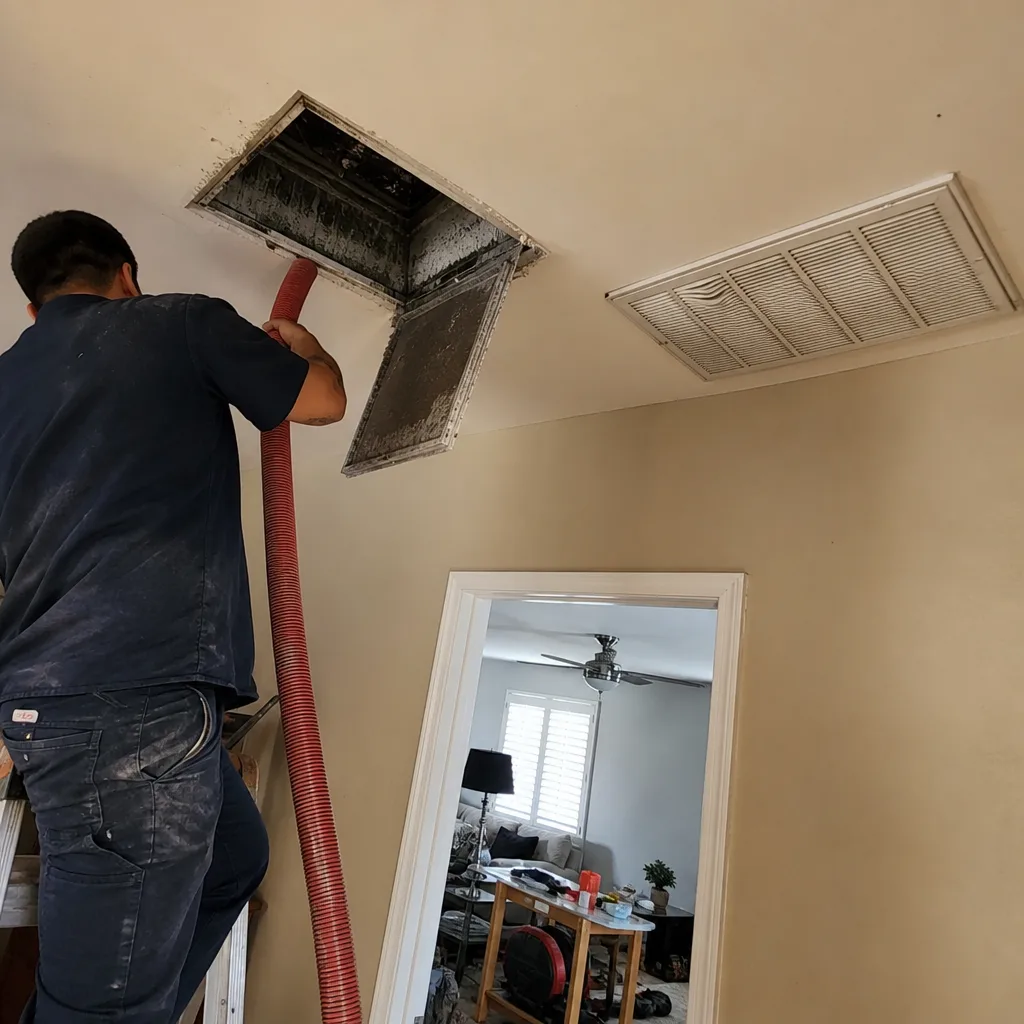 Before
 After
After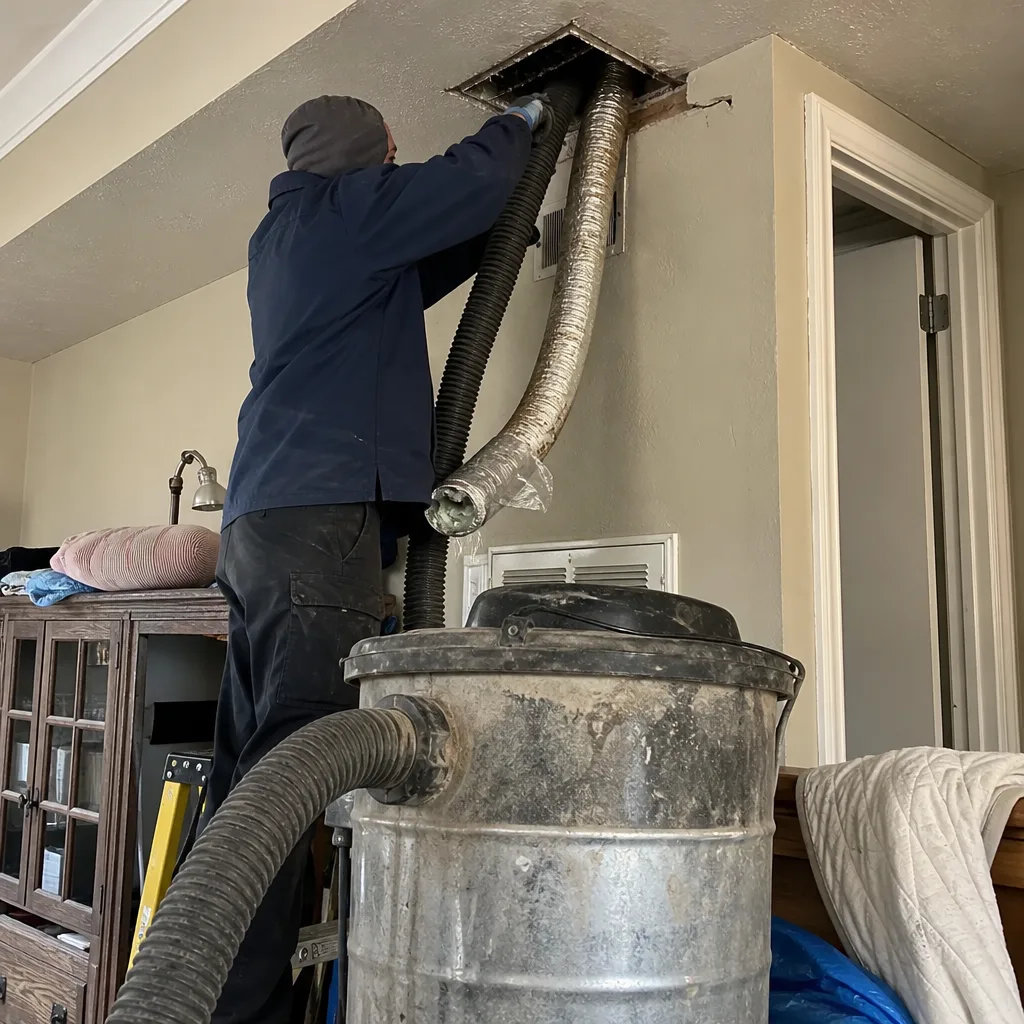 Before
 After
After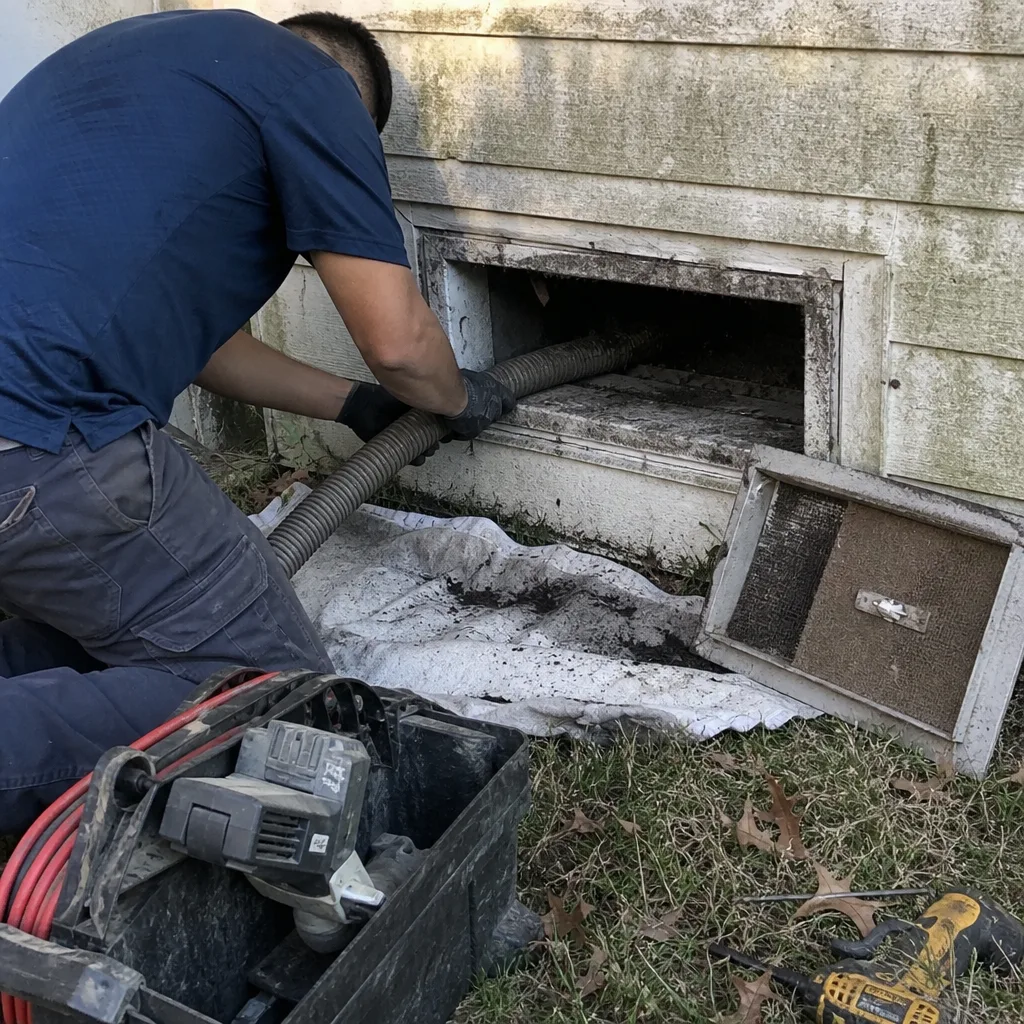 Before
 After
After