
Last updated October 15, 2026
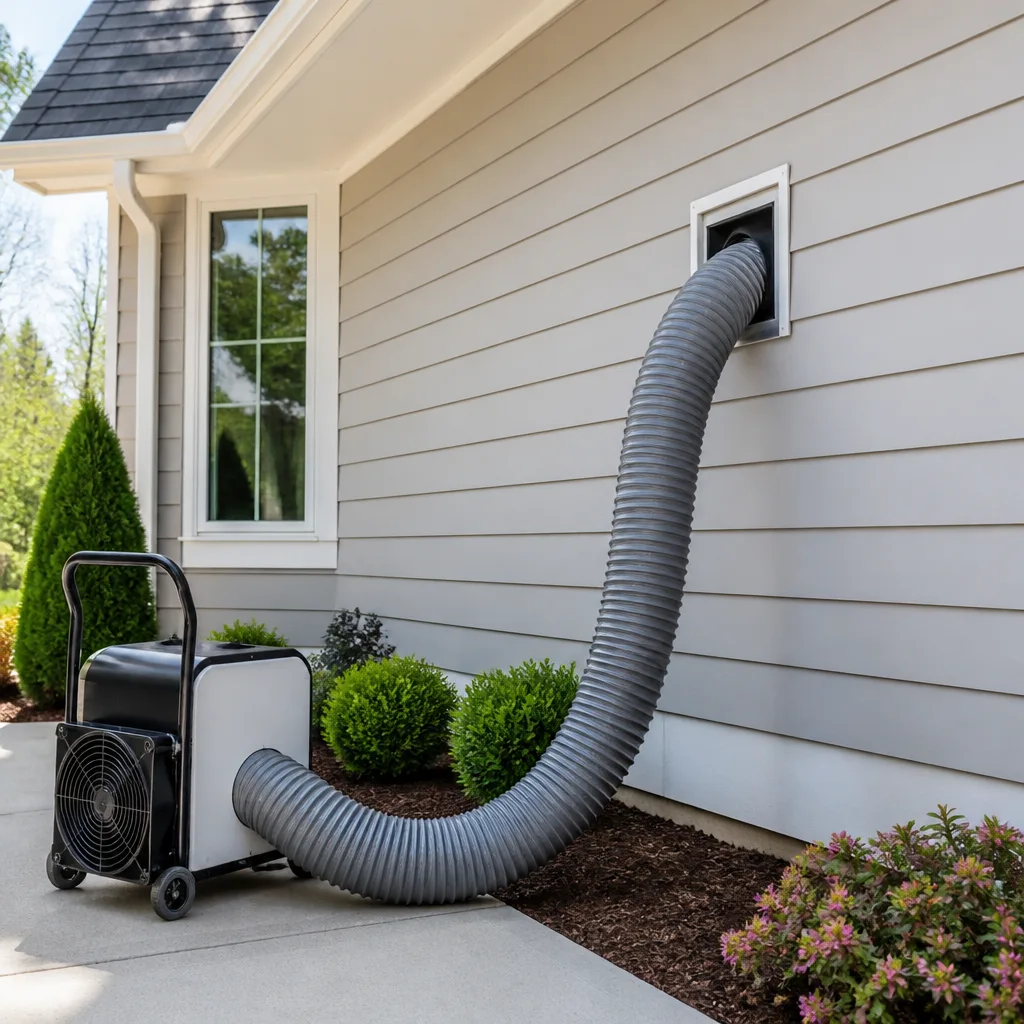 Whole-home duct cleaning
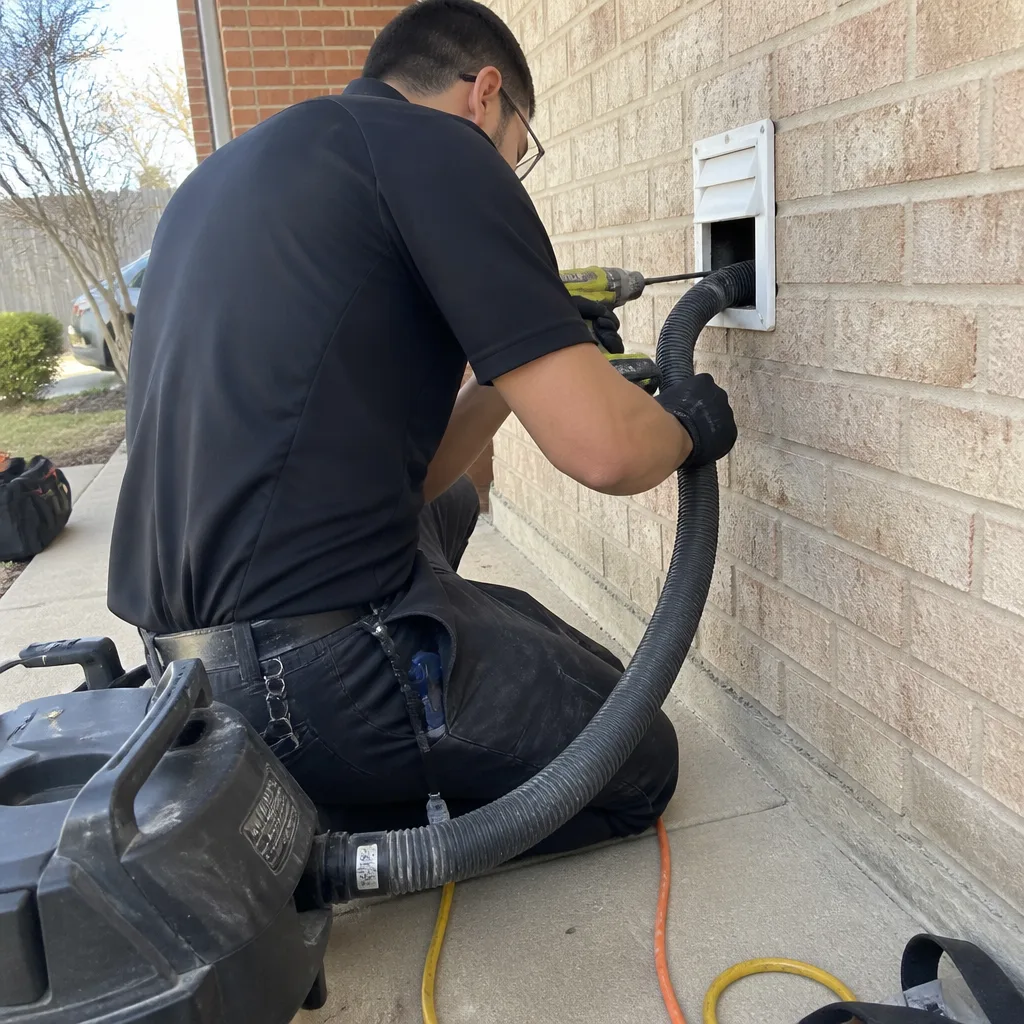
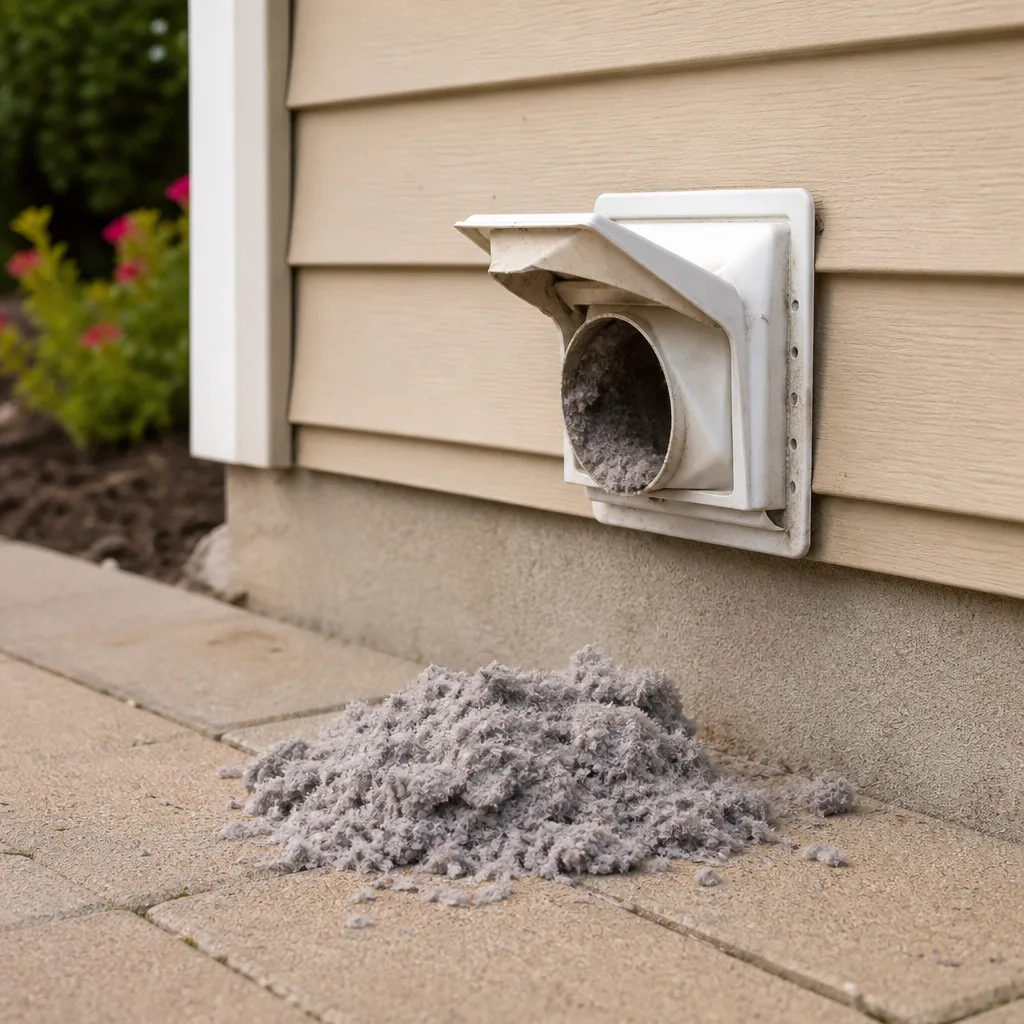 Dryer vent cleaning
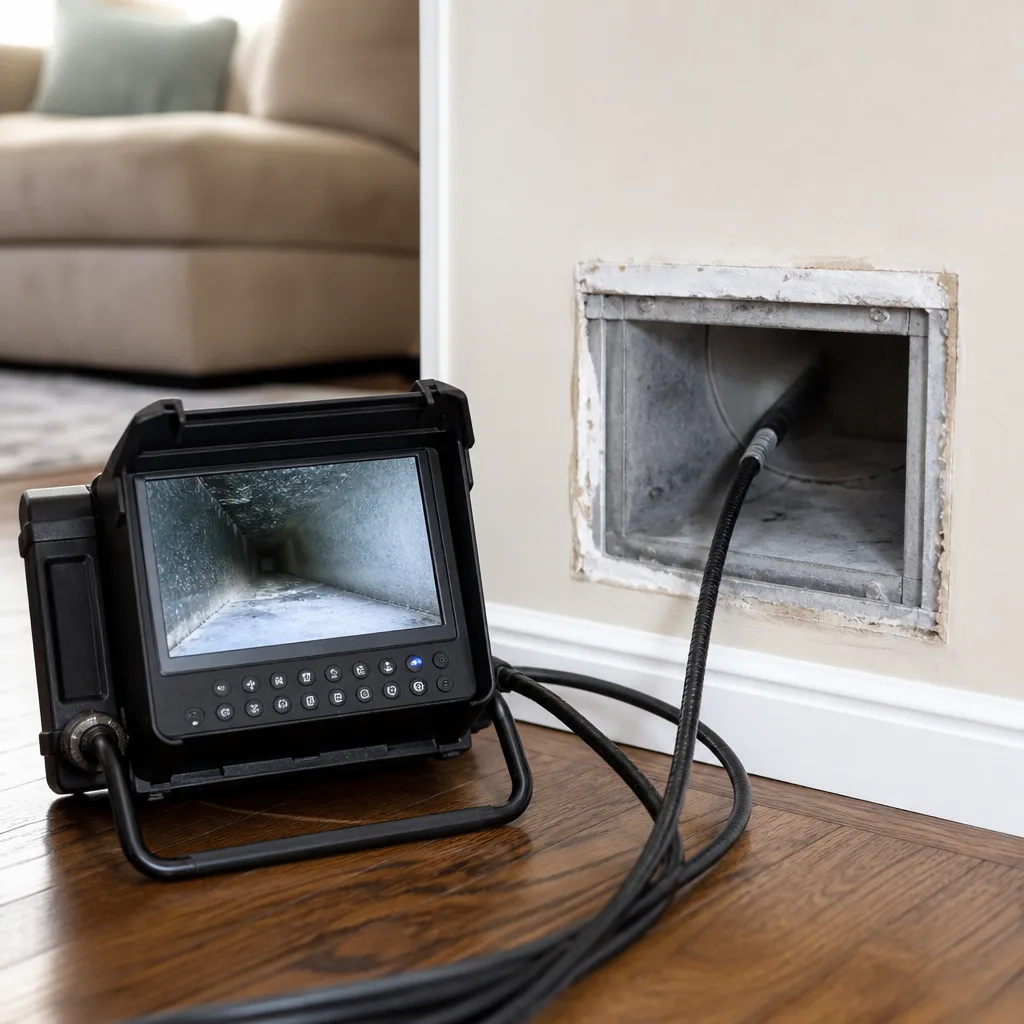 Camera inspection
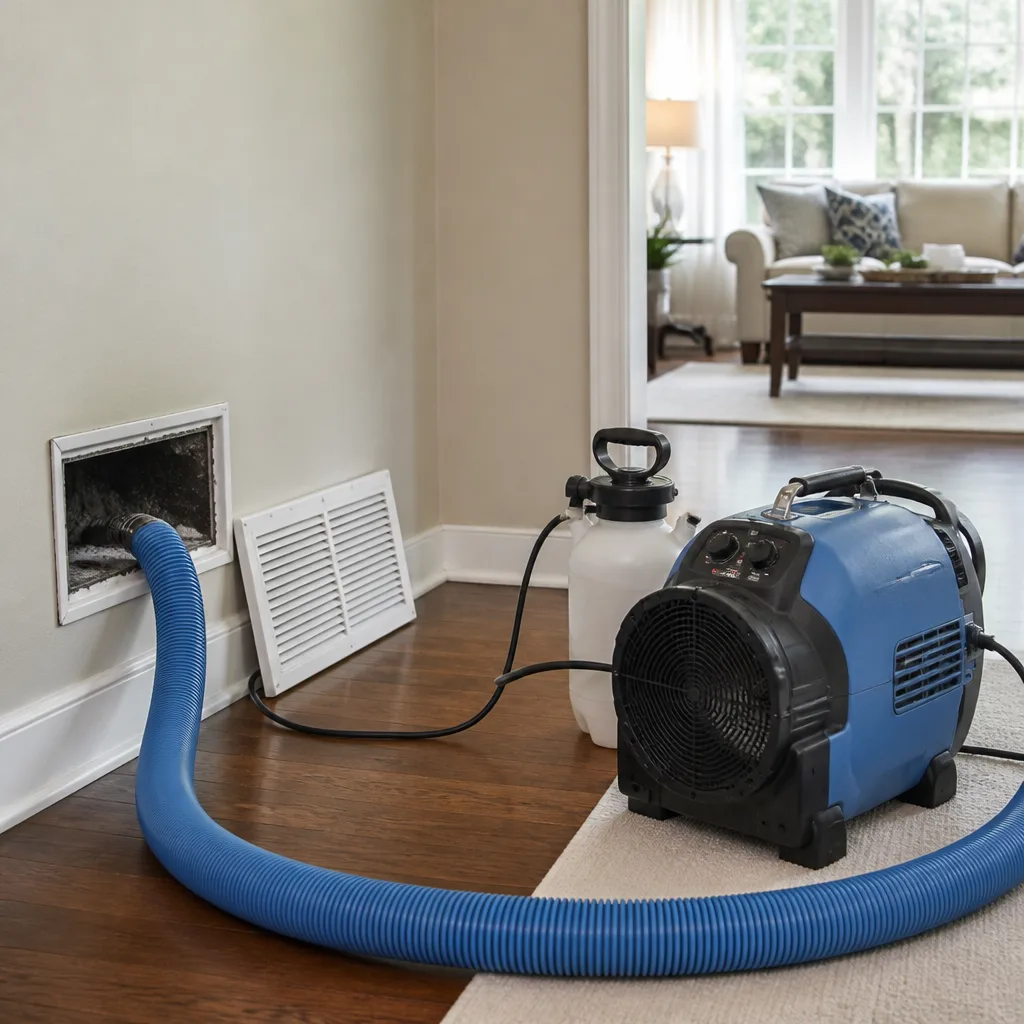 Sanitizing & deodorizing
Whole-system duct and dryer vent check with before-and-after photos - you see exactly what came out of your vents
That "$99 whole-house special" is a bait ad - the real number appears once they are in your hallway, or the "clean" is a shop-vac at the register. We photograph the inside of your ducts before and after instead.
Air Duct Cleaning Warning Signs: A Fort Worth Homeowner’s Reference Guide
If you’ve noticed a fine gray film settling on your furniture a week after you dusted, you’re not imagining it. In our experience cleaning ducts across Fort Worth, homeowners often call us after spending months chasing a problem they can’t quite see. The truth is, most internet guides will hand you the same five symptoms and tell you cleaning fixes everything. It doesn’t. Some “warning signs” point to problems no brush can reach. This guide breaks down what your home is actually telling you, which symptoms mean cleaning is the right call, and which ones mean you’d be wasting money on a service that won’t solve the real issue. For The Complete Guide to Air Duct Cleaning in Fort Worth, see our deeper resource. You’ll learn how to test your own registers, what different debris colors mean, and how to talk to any contractor without getting oversold.
Styles & brands we work with
Quick Answer
Visible dust discharging from supply registers, a musty odor that kicks in when the HVAC runs, and allergy symptoms that spike indoors are the three most reliable signs your Fort Worth home needs air duct cleaning. But not every symptom points to dirty ducts: black streaks near registers are often filtration soiling from a bypassed filter, and uneven room temperatures usually indicate a mechanical or design problem. The dependable approach is checking registers yourself first, then calling a professional who offers Air Duct Cleaning services and can tell you what cleaning will and won’t fix.
Table of Contents
- Symptom Triage: Matching the Sign to the Source
- The White Paper Towel Test: How to Inspect a Register Yourself
- What Different Debris Colors and Textures Actually Mean
- Why Fort Worth Homes Built 1998 – 2008 Carry Extra Duct Debris
- Duct Sweating vs. Internal Moisture: A Critical Distinction
- When NOT to Clean: Situations Where Duct Cleaning Makes Things Worse
- What Duct Cleaning Actually Fixes (and What It Can’t)
- Common Mistakes to Avoid
- When to Call a Professional
- Frequently Asked Questions
- The Bottom Line
Symptom Triage: Matching the Sign to the Source
Not all warning signs are created equal. The smartest way to think about duct symptoms is to sort them into three buckets: biological growth, mechanical debris, and system design failure. Each bucket points to a different fix, and only one of them is solved by duct cleaning alone.
Biological growth covers anything alive or once alive: mold, mildew, bacteria, and the musty smell they produce. These issues require cleaning plus addressing the moisture source, because cleaning a moldy duct without fixing the leak that fed it means the colony returns within months.
Mechanical debris is the dust, drywall particles, insulation fibers, and pet hair that accumulate over years of filtered and unfiltered air moving through the system. This is what air duct cleaning is designed to remove. In Fort Worth, this category also includes construction debris, which we’ll get into below.
System design failure covers problems like unbalanced airflow, undersized returns, leaking duct joints, and the filtration soiling issue mentioned in the opening. No amount of cleaning fixes these, because cleaning removes what’s there without changing how the system operates.
Here’s the triage table in practice:
- Visible dust discharging from registers → mechanical debris → cleaning is the fix.
- Musty smell when the HVAC kicks on → biological growth → cleaning plus moisture source correction.
- Uneven temperatures between rooms → design/mechanical failure → cleaning won’t help; you need an HVAC assessment.
- Allergy spikes tied to HVAC runtime → mechanical debris plus filtration gaps → cleaning plus filter upgrade.
- Rattling, whistling, or banging in the ducts → structural/mechanical → cleaning is irrelevant; you need duct sealing or repair.
This framework saves homeowners in Fort Worth real money, because the worst-case scenario is paying for a duct cleaning that was never going to address the actual issue. When you know which bucket your symptom falls into, you can ask a contractor pointed questions and judge the quality of their answers.
The White Paper Towel Test: How to Inspect a Register Yourself
You don’t need to call anyone to get a baseline read on what’s coming out of your vents. The white paper towel test takes five minutes and gives you concrete evidence, which is more useful than a general “it seems dusty in here” feeling.
Here’s the step-by-step process we recommend to homeowners who suspect debris is discharging from their supply registers:
- Choose a register in a room you use daily. The living room or primary bedroom supply register is ideal because these see the most conditioned air volume.
- Check the filter first. Remove the filter and hold it up to a light. If you can see through it, it’s still filtering. If it’s caked, replace it before running the test, otherwise you’re testing a clogged filter, not your ducts.
- Wipe the register face with a clean white paper towel. Not the vent cover alone. Reach in as far as reasonable and wipe the inside edge of the boot. The boot is the metal box connecting the duct to the register.
- Examine what you’ve collected. Gray, fine dust is normal household particulate. White or chalky powder usually means drywall from a renovation or original construction. Fibrous, fuzzy material could be insulation, which points to a duct integrity problem rather than a cleaning need.
- Hold a sheet of white paper towel over the register with the HVAC fan running. After 30 minutes, check for visible particle accumulation. A light film of gray dust is normal. Particles large enough to identify by shape indicate significant discharge.
This test gives you a reference point. When a contractor looks at your ducts and tells you what they found, you’ll know whether their findings match what you observed independently. That’s how you avoid being sold a cleaning your system doesn’t need.
What Different Debris Colors and Textures Actually Mean
The color and feel of what’s inside your ducts tells a story. Most homeowners don’t know that debris composition varies by source, and that source determines whether cleaning is the right response. If you’re going to spend money on duct cleaning, you should understand what you’re paying to remove.
Here’s a breakdown of what we typically find in Fort Worth duct systems and what each category signals:
- Light gray, fluffy dust. Standard household particulate: skin cells, fabric fibers, paper dust, and dirt tracked in from outside. This is the normal accumulation that duct cleaning addresses. It’s the most common finding, and removing it genuinely improves air quality for people with allergies or respiratory concerns.
- White or chalky powder. Drywall dust. This is either from original construction or a renovation. Drywall dust is fine enough to stay suspended in air and can coat every surface inside the duct. Because it’s so light, it re-aerosolizes easily, which is why some Fort Worth homeowners see it reappearing on furniture right after cleaning. It requires thorough removal, not a quick pass.
- Dark gray or black streaks near the register face. This is the filtration soiling phenomenon mentioned earlier. It’s not dirt from inside your ducts. It’s particles in the room air being drawn toward the register by the gap between the boot and the ceiling or wall. Air bypasses the filter through that gap and deposits particles around the opening. Cleaning the ducts will not change this pattern. The fix is sealing the boot-to-drywall joint or improving the filter’s gasket seal.
- Fibrous or fuzzy material, pink, yellow, or white. Insulation fibers from deteriorating flex duct lining or attic insulation entering through a breach. If you see this, cleaning is premature. The damaged duct section needs replacement first, otherwise you’ll continue pulling insulation from your attic into the airstream.
- Dark, damp-looking patches with a musty odor. This could be mold or mildew growth. If the material feels damp, you have an active moisture issue, and cleaning before addressing the moisture source will simply spread spores through the system. The correct sequence is: identify and fix the moisture problem, address mold remediation if required, then clean and sanitize.
Debris composition matters because it determines whether a cleaning is straightforward or whether the duct cleaning needs to be part of a larger corrective plan. A reputable air duct cleaning in Fort Worth company will walk you through what they find before they start work, not after.
Why Fort Worth Homes Built 1998 – 2008 Carry Extra Duct Debris
Fort Worth experienced a residential construction boom between 1998 and 2008, driven by population growth across Tarrant County and the expansion of suburbs like Keller, Saginaw, Benbrook, and the areas around Alliance. During that decade, builders were running crews hard, and ductwork installation timelines were compressed. That matters for the ducts in those homes today.
Here’s what we know from working in homes built during that window: the flex duct installed during that period has now aged 15 to 25 years. That’s significant because the inner liner of aged flex duct begins to break down, and any construction debris inside the duct has had decades to settle and harden.
The most common debris we find in these homes includes:
- Drywall dust from original construction, often caked into the duct corners where air velocity is low.
- Fiberglass insulation fragments from batt insulation left in wall cavities and pulled into return air paths.
- Wood sawdust and trim fragments from framing and finish carpentry.
- Small construction fasteners, wire clippings, and sometimes packaging scraps that fell into open duct runs before registers were installed.
What makes this category unique is that the debris has had years to settle into dead zones within the trunk lines and branch takeoffs. It doesn’t constantly circulate. But every time the system cycles on after a period of rest, the initial airflow surge can stir this settled material and send a puff of construction-era dust into your living spaces.
Homeowners in these Fort Worth properties sometimes assume their ducts are clean because they use good filters and don’t have pets. That assumption is fragile. The question isn’t whether you’ve added new debris recently, it’s whether the original construction residue was ever removed in the first place. In many cases, it wasn’t.
Duct Sweating vs. Internal Moisture: A Critical Distinction
This is one of the most misunderstood symptoms we encounter in Fort Worth attics. Duct sweating and internal moisture are completely different problems with different fixes, but they often get lumped together and misdiagnosed.
Duct sweating is condensation forming on the exterior of a flex duct run in an unconditioned attic. It happens during our long Texas summers when cold conditioned air moves through a duct while the attic air is hot and humid. The temperature difference causes moisture to bead on the duct’s outer jacket, like a glass of iced tea on a patio table in July. This is a mechanical issue. It means the duct insulation is insufficient, the vapor barrier is compromised, or the attic ventilation is poor. Cleaning the inside of the duct does absolutely nothing for this condition, because the moisture is on the outside.
Internal moisture is water inside the duct itself. This shows up differently: water stains on the ceiling around registers, a persistent musty smell that intensifies when the AC runs, or visible dampness when you remove the register and look inside with a flashlight. Internal moisture means condensation is forming inside the duct, usually due to a temperature differential between the supply air and the duct material. It can also indicate a leaking pipe above the duct run or a condensation pan overflowing.
Why this distinction matters for your wallet: if you call a duct cleaning company for sweating ducts, and they clean the ducts without addressing the insulation or ventilation problem, the condensation returns. You’ve paid for a service that didn’t resolve the issue. If you have internal moisture, cleaning is appropriate only after the moisture source is corrected. Otherwise, you’ll be cleaning and drying ducts that will simply get wet again.
The correct sequence for internal moisture is: find the moisture source, fix it, allow the duct interior to dry fully, then assess whether microbial growth requires remediation before cleaning. A technician who skips straight to cleaning without asking about moisture is either inexperienced or uninterested in solving your actual problem. Our team has worked on hundreds of Fort Worth attics, and we’ve learned to check moisture before we ever recommend a cleaning.
When NOT to Clean: Situations Where Duct Cleaning Makes Things Worse
This section might seem counterintuitive coming from a duct cleaning company. But there are real situations where cleaning is the wrong first step, and a responsible contractor should tell you so rather than take your money.
Here are the scenarios where we advise Fort Worth homeowners to pause on cleaning:
- Actively growing mold colonies. If mold is actively growing in your ducts, running a cleaning brush through the system can dislodge spores and distribute them throughout the house. The mold needs to be remediated first, the moisture source eliminated, and then cleaning can follow as part of the final sanitation step.
- Damaged flex duct with exposed insulation. If the inner liner of your flex duct is torn or disintegrating, brushing the interior can worsen the damage and pull more insulation fibers into the airstream. The damaged sections need replacement first.
- Active water intrusion. If there’s a roof leak dripping onto a duct run, or a plumbing leak above the duct, cleaning is premature. Fix the leak, dry the area, and then clean if needed.
- Severe pest infestation. If rodents, squirrels, or raccoons have been living in your ducts, the droppings and nesting material need removal, but the entry points also need sealing. A cleaning that doesn’t address entry means the problem recurs.
- System-level issues that need other trades. If your duct design is the problem, meaning undersized returns or poorly balanced branches, cleaning changes nothing. You need an HVAC technician to evaluate airflow, not a duct cleaner to remove debris.
The point of this section isn’t to talk you out of cleaning. It’s to make sure that if you do clean, the cleaning actually accomplishes something. A trustworthy duct cleaning company will tell you when your problem requires a different sequence of work first. That honesty, or lack of it, is the fastest way to tell whether a contractor is selling you a service or solving a problem.
What Duct Cleaning Actually Fixes (and What It Can’t)
Duct cleaning is a specific service with a specific purpose. Understanding its limits will make you a smarter consumer, and it will also help you set realistic expectations for what the service will change in your daily life. Browse our more guides & resources to keep learning.
What professional duct cleaning legitimately accomplishes:
- Removes accumulated dust, pet dander, and particulate debris from the interior surfaces of the supply and return ductwork.
- Eliminates construction debris that has been sitting in the ducts since the home was built.
- Reduces the volume of particles that circulate through your living spaces when the HVAC runs.
- Improves airflow by removing debris that has constricted the duct interior, particularly at bends and branch takeoffs.
- Allows your HVAC filtration to work more effectively, since the clean air isn’t picking up a fresh load of dust on its way through the duct run.
- Removes the settled material that can trigger allergy symptoms in sensitive occupants.
What duct cleaning cannot do:
- Fix filtration soiling around registers, which is caused by air bypassing the filter, not by dirty ducts.
- Balance your HVAC system or correct temperature differences between rooms.
- Repair duct leaks, reseal joints, or replace damaged flex duct.
- Eliminate mold that is actively growing without addressing the moisture source first.
- Compensate for an undersized or inadequate HVAC system.
- Fix a clogged evaporator coil or other mechanical components.
When we clean a home in Fort Worth, our goal is to leave the duct system genuinely clean, using negative-pressure extraction that pulls loosened debris directly into a HEPA-rated Nikro vacuum rather than blowing it into the living space. That’s the professional standard, and it’s what separates real duct cleaning from a truck-mounted shop-vac running in reverse. The company we recommend for Cardinal Air Duct Fort Worth home services operates this way on every job, with a written price before work starts and before-and-after photos of the ducts they cleaned.
Common Mistakes to Avoid
- Assuming black streaks mean dirty ducts. In Fort Worth homes, register soiling is frequently caused by air bypassing the filter around a poorly sealed boot, not by dirty duct interiors. If you clean without sealing the gap, the streaks return within months.
- Cleaning before addressing moisture. If your ducts are damp or you smell must, cleaning without fixing the moisture source spreads the problem. Always identify and correct the moisture first.
- Ignoring the age of your flex duct. Homes built during the Fort Worth construction boom of 1998 – 2008 now have flex duct that’s 15 to 25 years old. If the inner liner is degrading, cleaning might accelerate the damage rather than help.
- Relying on the filter to keep ducts clean. Even the best Aprilaire or Honeywell filter only treats air passing through it. If duct joints leak or the filter bypass exists, unfiltered attic air still enters the system downstream.
- Choosing a contractor on price alone. The duct cleaning industry has a reputation problem with bait-and-switch pricing. A $99 whole-house special often becomes a $600 invoice once the technician arrives. Ask for a written price before work starts, and walk away if the company won’t provide one.
- Cleaning when mechanical repair is needed. Rattling ducts, whistling noises, or a blower that strains indicate structural or mechanical problems. Cleaning won’t address those. A reputable technician should tell you this before scheduling any cleaning work.
- Forgetting the dryer vent. Many homeowners focus on their HVAC ducts while the dryer vent remains clogged with lint, which is a fire hazard. A thorough home duct assessment covers dryer vent cleaning in Fort Worth as well.
When to Call a Professional
You don’t need to diagnose everything yourself. The white paper towel test gives you information, but a professional inspection brings the full picture: duct camera footage, airflow measurements, and the experience of knowing what different debris profiles mean. Call a professional if you see visible dust discharging from registers that returns within days of cleaning, if a musty odor persists when the system runs, if your paper towel test reveals insulation fibers or dark particulate, or if anyone in your home has respiratory symptoms that worsen when the HVAC cycles on. Also call if your home was built between 1998 and 2008 and has never had its ducts cleaned. Cardinal Air Duct Fort Worth offers free estimates in Fort Worth and can assess whether cleaning is the right next step for your home. Call (817) 730-6759 to schedule a look.
Frequently Asked Questions
For a typical single-family home in Fort Worth, a full air duct cleaning most commonly runs $375 to $700, depending on the number of supply and return runs, the home’s square footage, and whether the system includes multiple zones. Smaller homes or single systems can come in under that range, while large two-story homes with complex duct layouts and attached components like the evaporator coil and blower can run higher. The key is getting a written price before work starts, so the number you’re quoted is the number you pay. Call (817) 730-6759 to get an exact quote for your specific system, since estimates from Cardinal Air Duct Fort Worth are free and there’s no obligation to book.
Cheap duct cleaning quotes usually come from companies that spend less time on the job, use lower-powered equipment, and generate their profit through add-ons collected after arrival. The classic pattern is a $49 or $99 “whole house special” that becomes a multi-hundred-dollar invoice once the technician claims to discover mold, recommend sanitizing, or find a “necessary” HVAC repair. In Fort Worth, we’ve seen this play out hundreds of times. Legitimate duct cleaning requires professional-grade equipment (our crews run Rotobrush brush systems with Nikro HEPA vacuum extraction), takes two to four hours for a typical home, and involves a technician actually accessing and cleaning each duct run. That labor and equipment time costs money. Compare quotes based on what’s included, the equipment used, and whether the price is written and guaranteed before work starts, not on the teaser number.
You should ask for before-and-after photo documentation of the duct interior, taken with a duct inspection camera, not a phone camera pointed at an open register. Reputable companies in Fort Worth will provide this as a standard part of the service, and the photos should show the condition of the main trunk line and branch takeoffs before and after cleaning. At Cardinal Air Duct Fort Worth, this photo documentation is part of The Relay Standard on every booking, along with a live trackable arrival window and a digital invoice payable by link. If a company can’t or won’t show you the inside of your ducts after cleaning, you have no way to verify the work.
For most Fort Worth homes, duct cleaning every three to five years is reasonable if you have pets, run your AC heavily during our long cooling season, or live in an area with significant construction traffic pushing dust into your neighborhood. Homes with allergy sufferers, recent renovations, or occupants with respiratory conditions may benefit from more frequent cleaning, while a single-occupant home with no pets and high-quality filtration might go longer. The honest answer is that the condition of your ducts, checked with a camera, matters more than any calendar schedule. If you’ve never cleaned the ducts in a home built between 1998 and 2008, assume construction debris is present and plan an inspection. Call (817) 730-6759 for a free check.
Yes, dirty ducts can absolutely make allergies worse, because your HVAC system recirculates the air in your home multiple times per day, and every cycle can re-aerosolize settled dust, pollen, and pet dander from the duct interior. If your allergy symptoms improve when you leave the house and spike within an hour of returning home or when the AC kicks on, your duct system is a likely contributor. Cleaning removes the accumulated particulate, but for lasting improvement you should also upgrade to a high-MERV filter compatible with your system from a brand like Honeywell or Aprilaire, and make sure the filter actually seals around its frame so air can’t bypass. For Fort Worth homeowners dealing with our high pollen seasons in spring and fall, the combination of clean ducts and effective filtration is the most reliable approach.
Ask five questions before you book any duct cleaning in Fort Worth. One: What equipment do you use and can you name the brands? (Look for Rotobrush, Nikro, or Abatement Technologies, which are professional-grade; vague answers suggest truck-mounted shop vacs.) Two: Is your price written and guaranteed before work starts? Three: Do you provide before-and-after camera documentation of the duct interior? Four: How long will the job take? (A real cleaning takes hours, not 45 minutes.) Five: Will you tell me if cleaning isn’t the right solution for my issue? A contractor who answers these questions directly and without hedging is worth considering. A contractor who can’t or won’t should be crossed off your list.
The Bottom Line
Fort Worth homeowners deal with specific duct challenges: aging flex duct from the 1998 – 2008 construction boom, attic condensation during brutal Texas summers, and filtration soiling that gets misdiagnosed as dirty ducts. The smart approach is triage first, cleaning second. Check your registers with the white paper towel test, understand what the debris is telling you, and only clean when mechanical debris removal will genuinely improve your air quality. When cleaning is the right call, insist on written pricing, professional equipment, and photo verification. For a free assessment of your duct system or an exact quote, call Cardinal Air Duct Fort Worth at (817) 730-6759. We’ll tell you honestly whether cleaning is the right next step, and if it is, you’ll get a written price before any work starts. If you need HVAC cleaning in Fort Worth as part of a broader system refresh, we handle that too.
Written by Omar Haddad, Owner at Cardinal Air Duct Fort Worth, serving Fort Worth since 2005.
See the difference
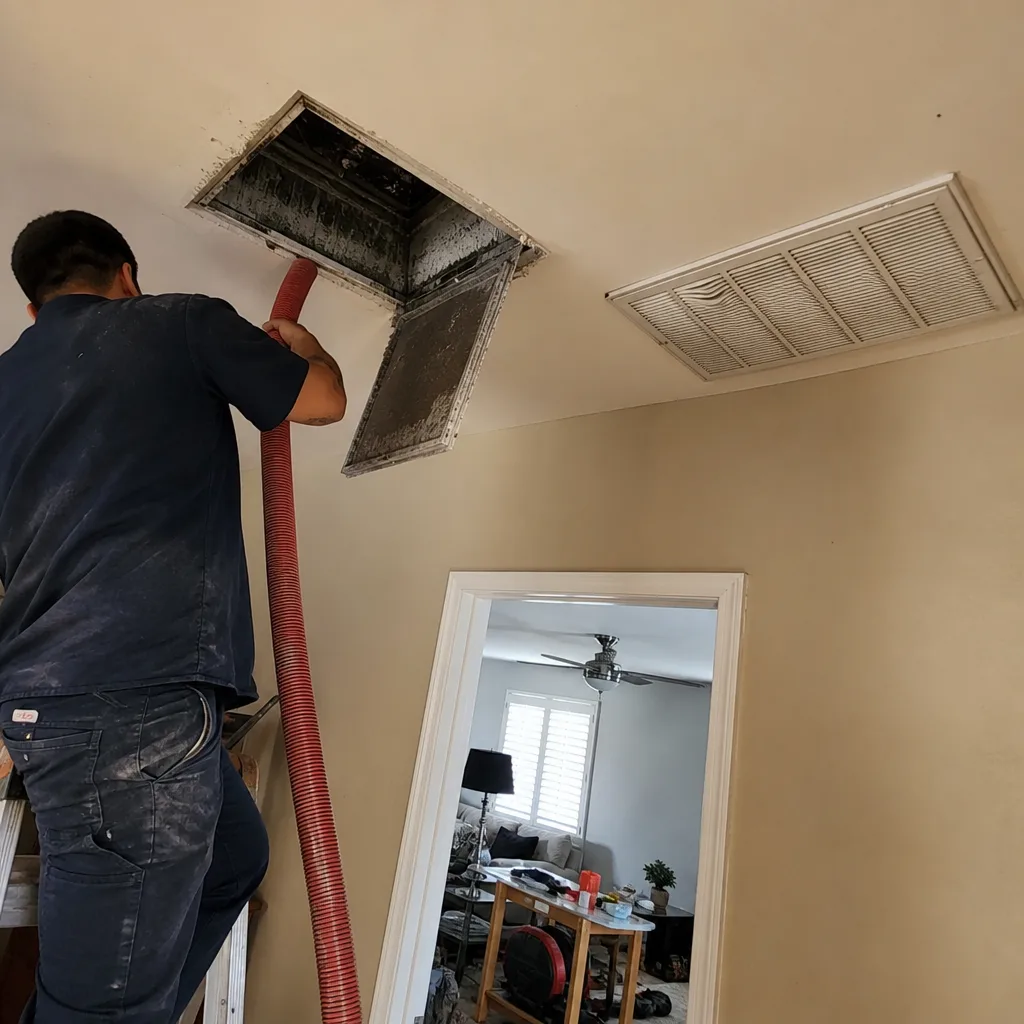 Before
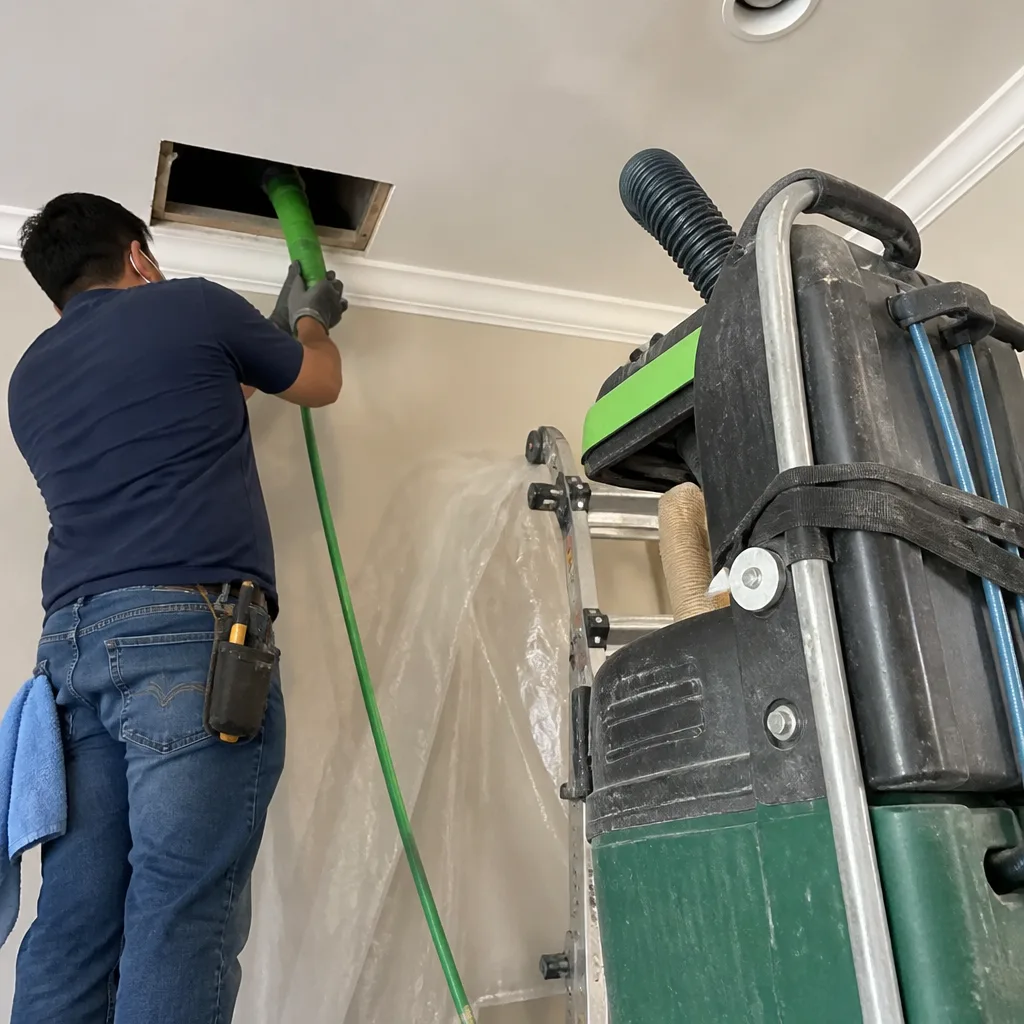 After
After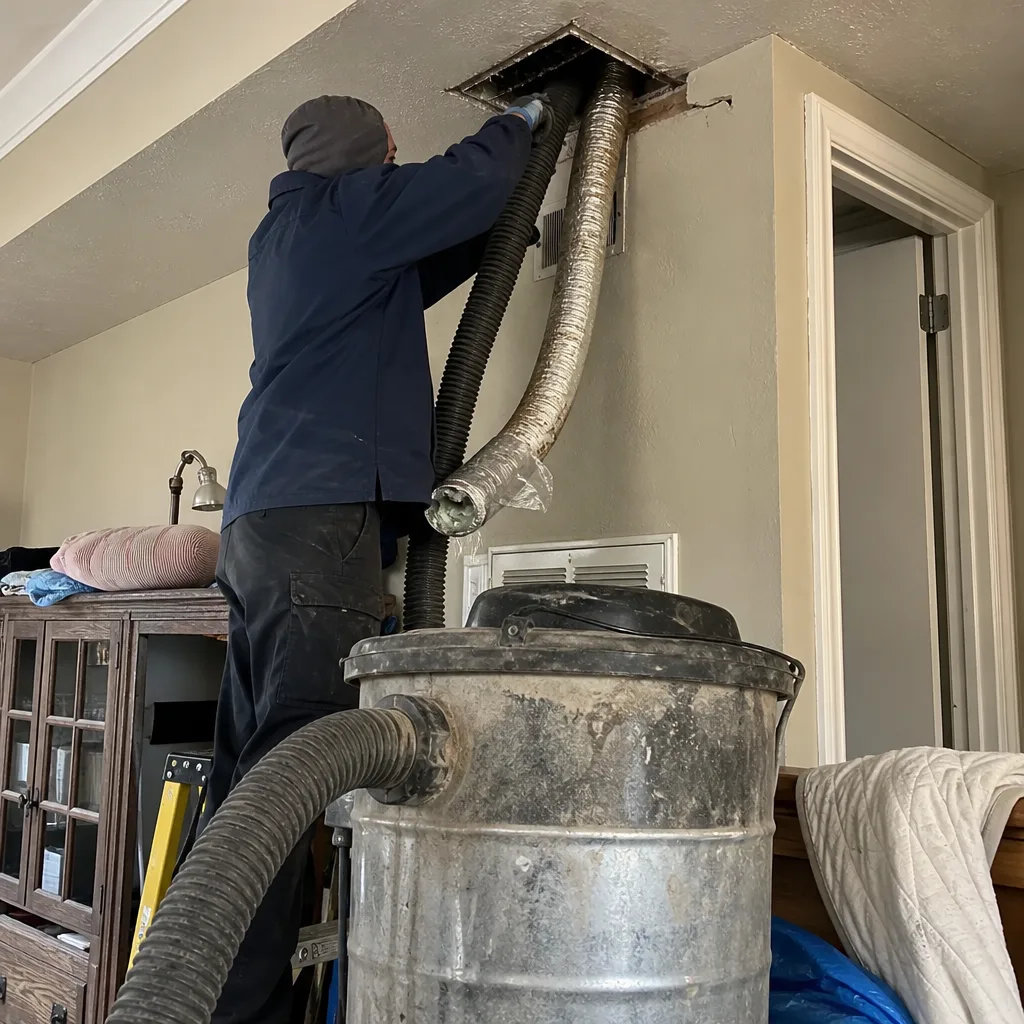 Before
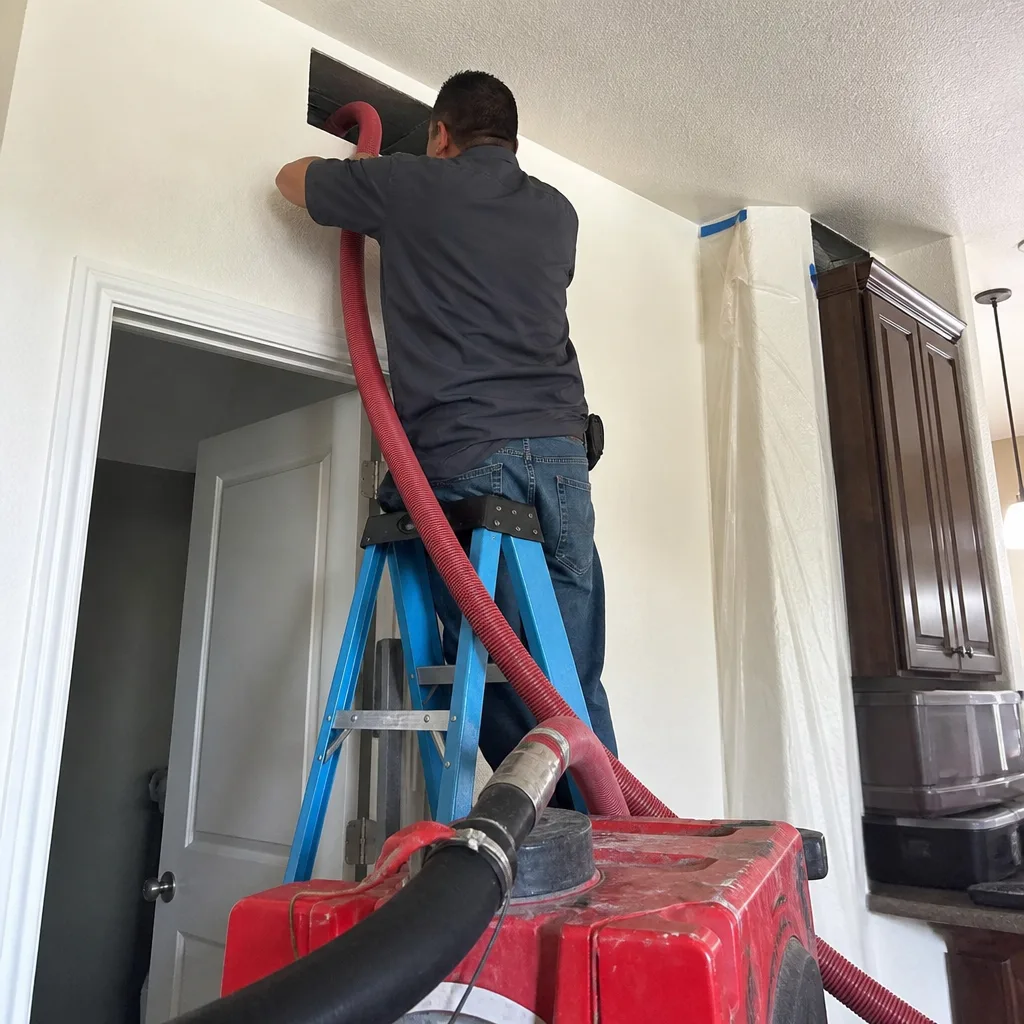 After
After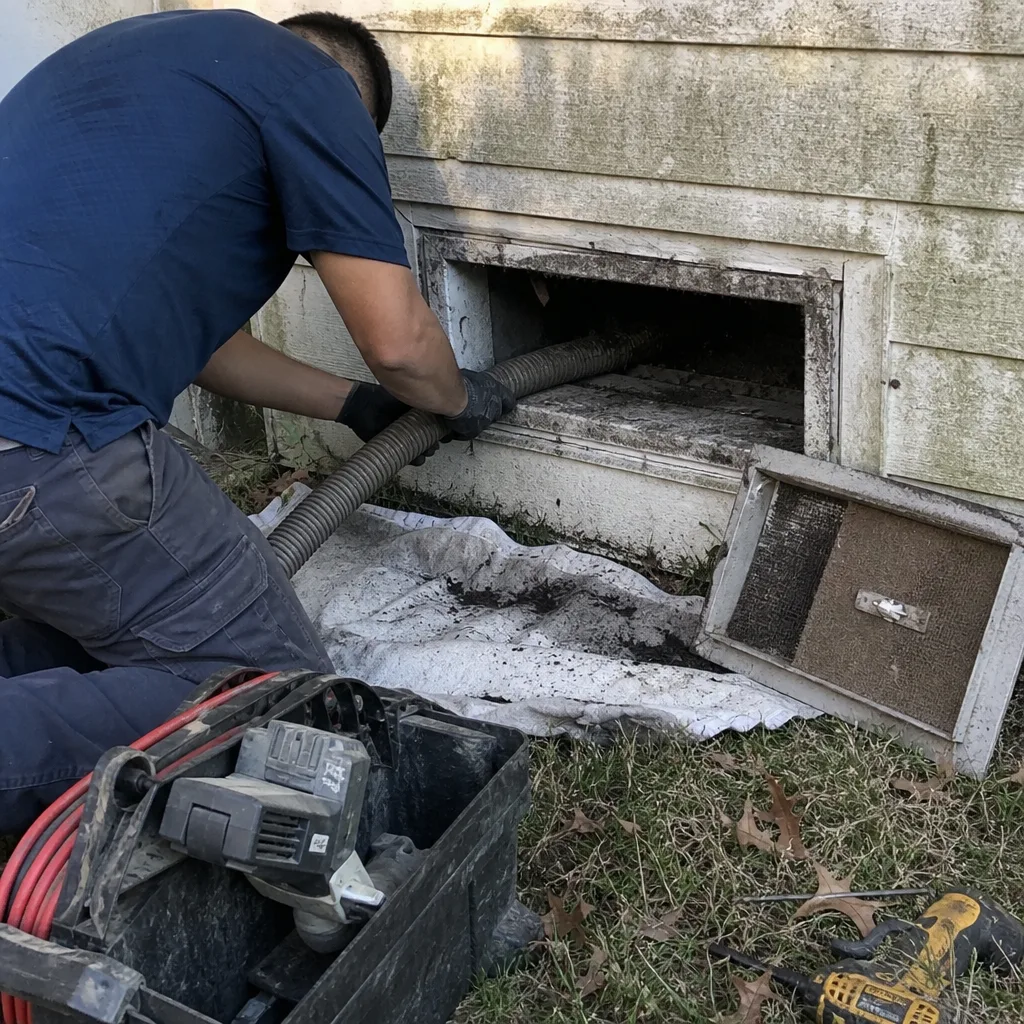 Before
 After
After